Yelling, from a Sensory Side of View

Did you know that yelling is, from a sensory perspective, a very regulating thing to do? That might sound weird and it might make your brain jump to conclusions that aren’t the same as exactly what I’m saying. But think about it for a moment, from a mental perspective of thinking of the mechanics of … Read more
Vestibular Input

Most people — not all, but most — find rhythmic vestibular sensory input to be soothing. Rhythmic: regular, repeated, predictable. Vestibular: having to do with your inner ear, your sense of balance and movement. It is based on the motion, or lack of motion, of fluid inside of your inner ears. You can imagine human … Read more

Pencil Grasp

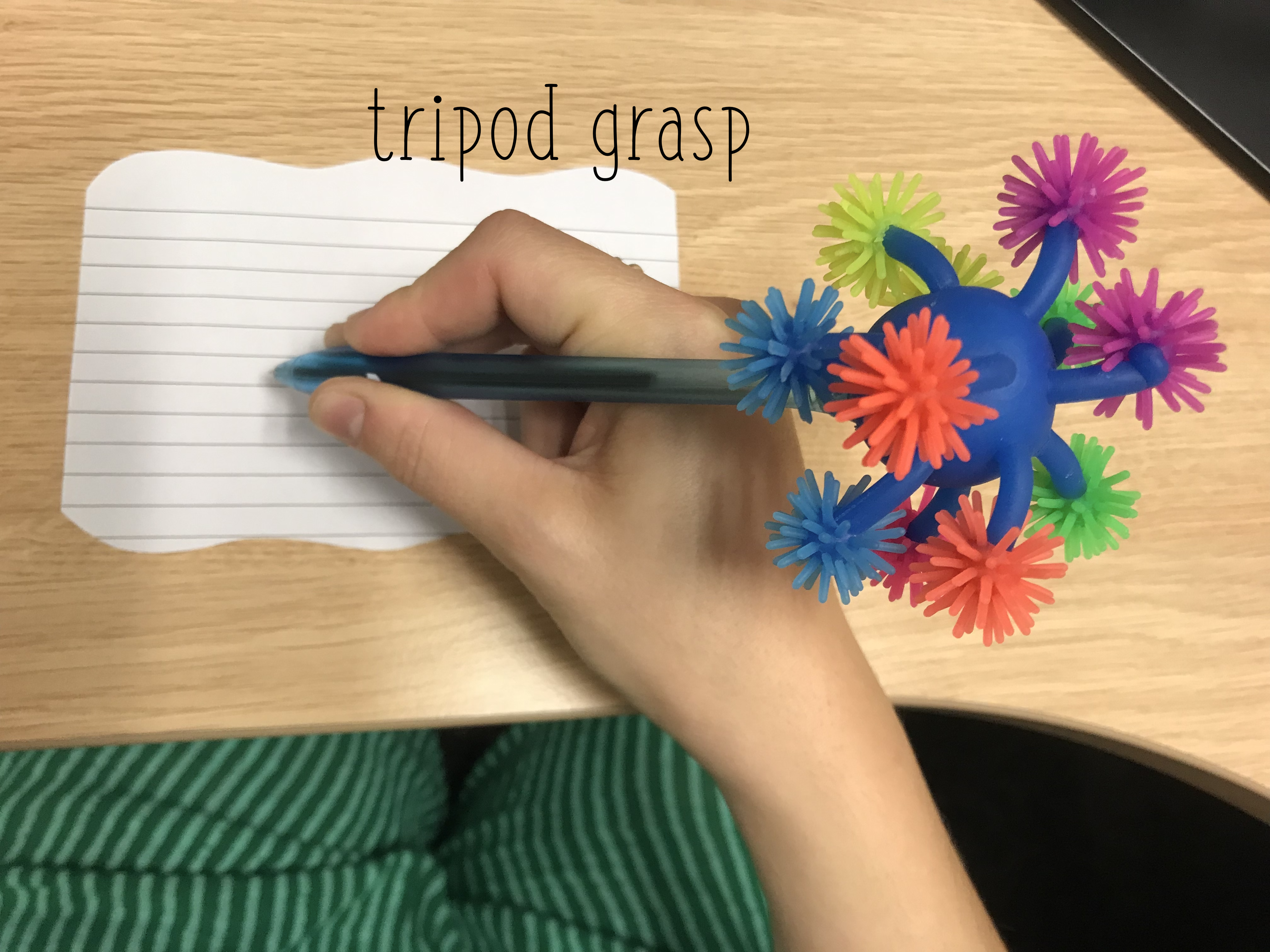
I think early childhood education has misunderstood what is behind the concept of “using the right pencil grasp”. For example, in my child’s reception class (the UK equivalent of preschool/kindergarten — it’s not exactly 1:1 with US standards), they had the four stages of pencil grasp posted on the wall, and they had little stickers … Read more

Six Ways to Play with Vacuums

At my lecture last Friday, during the Q&A session, somebody asked me if I had any ideas for connecting meaningfully and playfully in therapy with a child whose special interest was vacuums, and who spent most of the session searching the clinic in hopes of finding a vacuum. I gave a few ideas right off … Read more

Big Kids Play Too

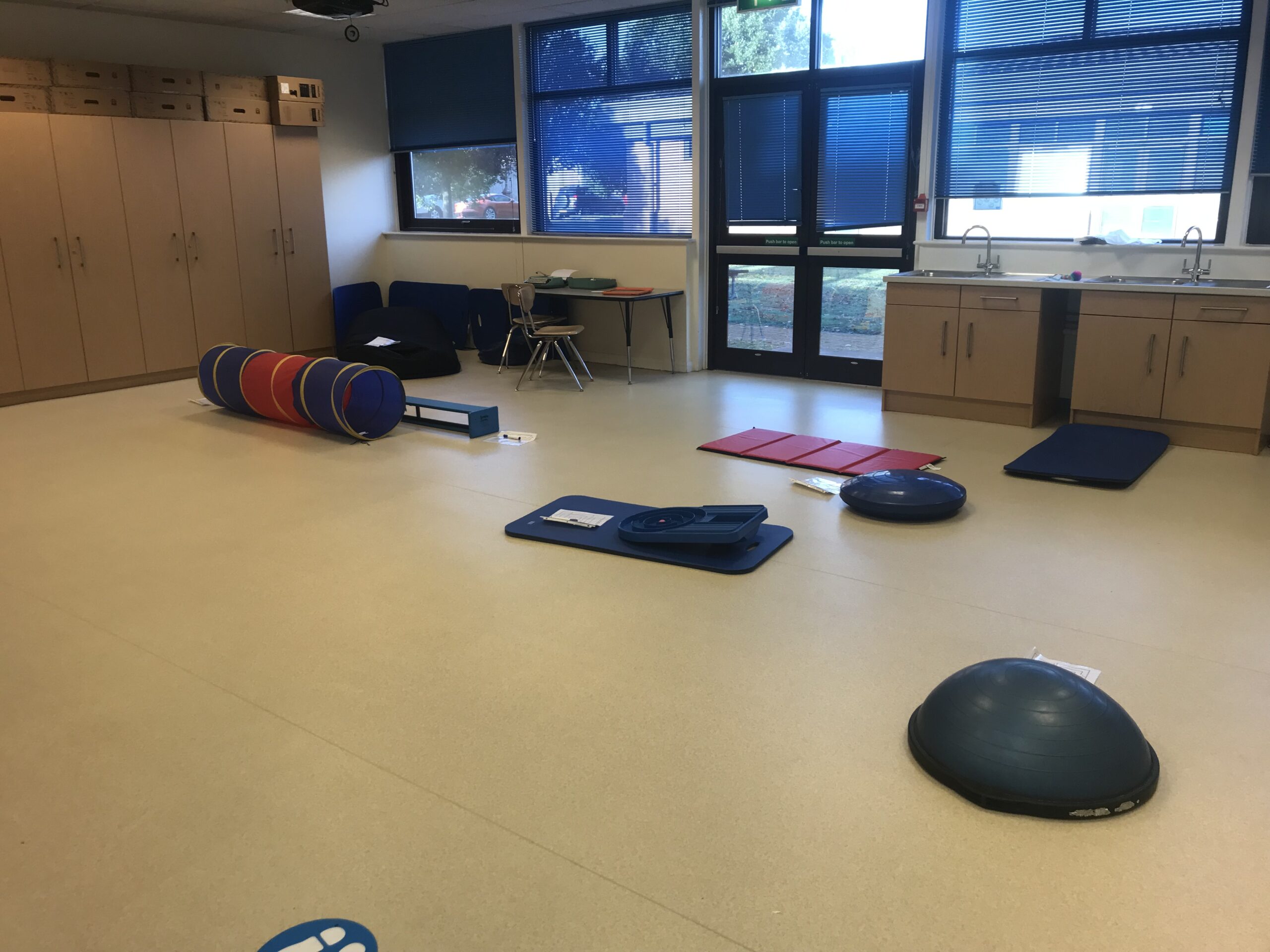
This is another one of my “big kid” room setups as I lean heavily this year into trying to continue to practice child-led play-based therapy, even with older children (9-15ish). It’s easier for me to figure out how to offer it for young kids, and it’s harder with the big kids, but it’s what I’m … Read more

Regulation Mirrors

Have you been trying to offer your child coping strategies when they’re in the middle of a meltdown and not been having a lot of success? If so, I have a couple of questions for you. 1. What coping strategies are you choosing to use yourself when *you* are in the middle of a meltdown? … Read more

Violent Themes in Play

Some adults get alarmed when they hear children using language that sounds “violent” or involves themes of morality, such as “good guys” and “bad guys”. They may want to explain to the child that morality is more complicated than that — that people aren’t inherently “good” or “bad”, but that people make choices. Or they … Read more

Naming the Subtext

This post has an audio and video recorded version for those who prefer to learn by hearing rather than by reading. Scroll to the bottom for the video of me reading it. You know, one thing that I notice is a pattern with most adults (me included) is that they might notice patterns with their … Read more

Mailbox Project: First Notes

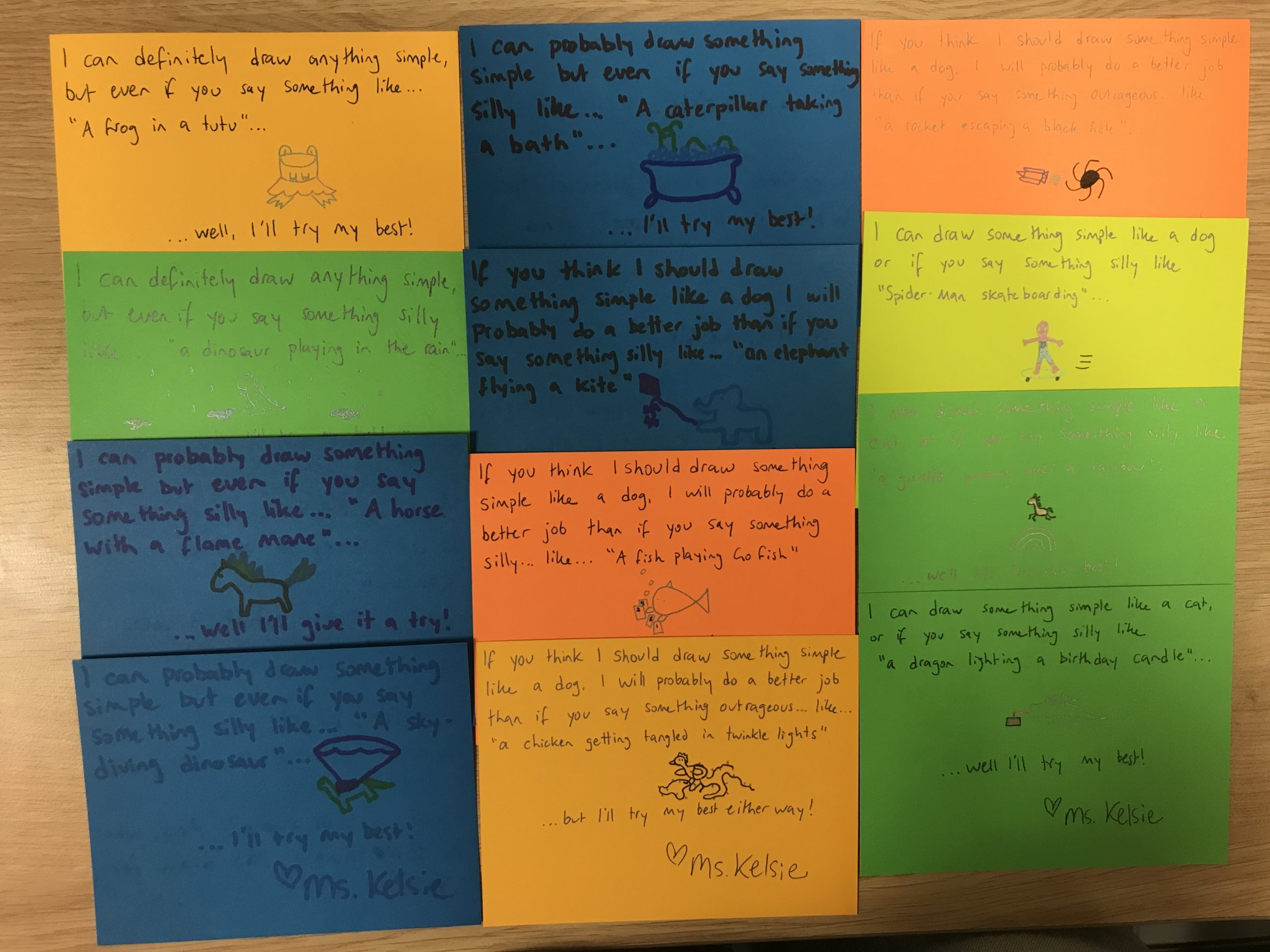
So last week I wrote about my mailbox project with four classes at the schools I work in — 4th grade, 3rd grade, 3rd grade, and 1st grade (or approximately age 9-10, 8-9, and 6-7). I’m going to break down what I wrote for each of the grades, and why. I am not a literacy … Read more

Adult-Imposed Consequences & Dysregulation

This post has an audio and video recorded version for those who prefer to learn by hearing rather than by reading. Scroll to the bottom for the video of me reading it. I have a memory from very young in my childhood, that I can’t remember whether it was all just a thought process I … Read more