Sensory Processing in Teens

Everybody in the world has one (or more) sensory processing styles; we all process input from the world around us. One theory of thinking of these processing styles uses 4 quadrants to describe them: sensory seekers, sensory avoiders, sensory sensitive, and sensory “missers”. This post assumes you already know those 4 terms, and applies them … Read more

Procesamiento Sensorial (Español)

This is a Spanish language translation of this post, which is in English. Post traducido del original en Ingles.  “Sensorial” es una de esas palabras de moda estos días en los grupos de padres, en Pinterest y en relación con diferentes diagnósticos. He visto gente usarlo para significar casi todo. Cuando hablo de procesamiento sensorial, … Read more

Sensory Mismatch Conclusion

The last thing that I wanted you to know this week, as I wrap up my talks about sensory mismatch (the other four posts are here: one, two, three, four), is that kids will typically become better at managing this mismatch themselves over time, so you don’t have to feel like this will take active … Read more

Sensory Mismatch Key: Set Up the Environment

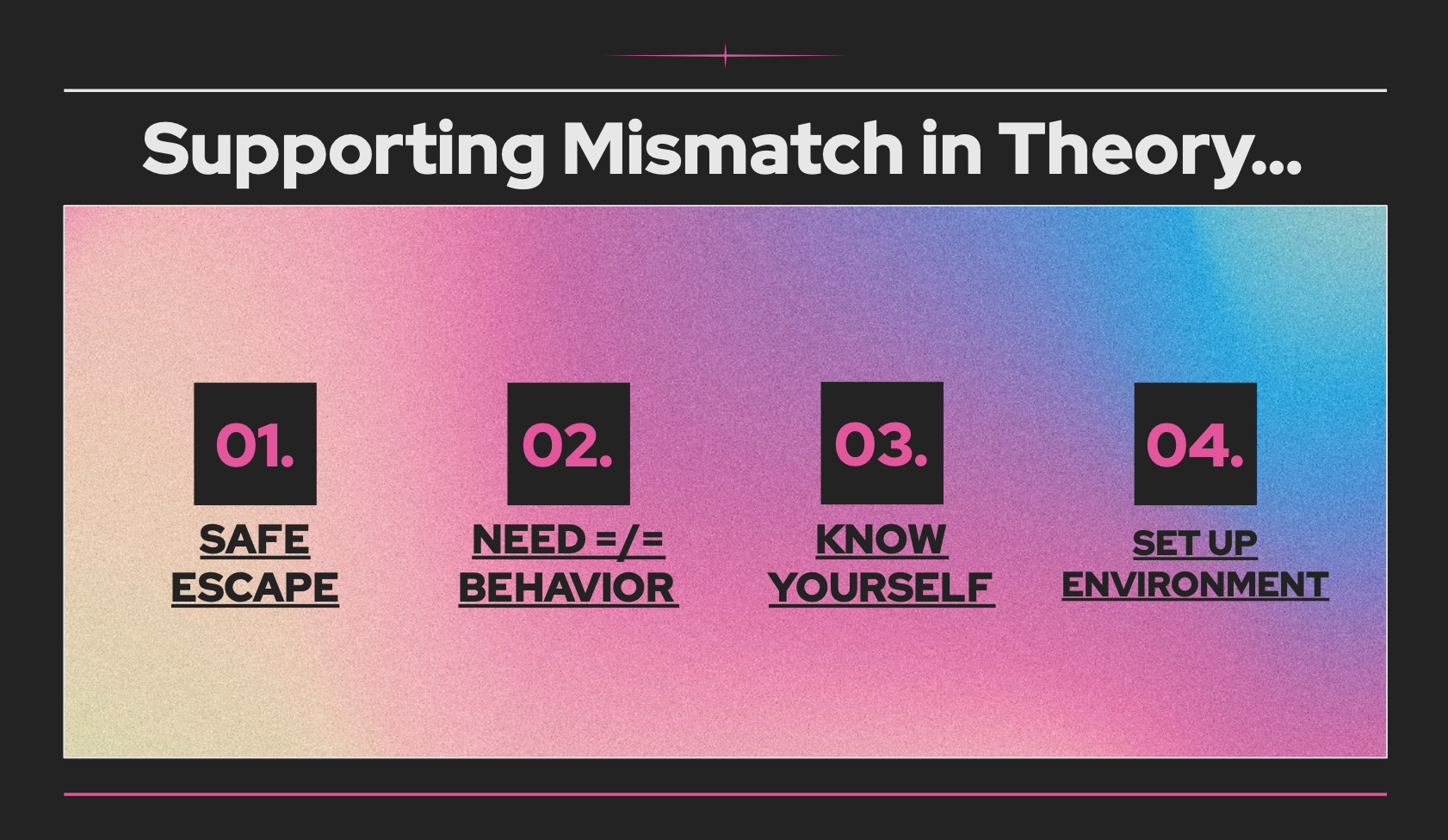
Setting up the environment to help mitigate some of the sensory mismatch is the fourth tool you can use in parenting, teaching or whatever situation you might encounter. Some of these other things I’ve named over the course of this week are just specific versions of doing this. (Here are links to the first post, … Read more

What is Behavior Communicating?

The phrase “behavior is communication” was invented in response to a set of ideas, a counter to them. One of these ideas is that children’s inconvenient or strange or annoying behavior is a sign of some character flaw in the child. That they’re doing it to defy or annoy or enrage the adult. Another idea … Read more

Vestibular Input

Most people — not all, but most — find rhythmic vestibular sensory input to be soothing. Rhythmic: regular, repeated, predictable. Vestibular: having to do with your inner ear, your sense of balance and movement. It is based on the motion, or lack of motion, of fluid inside of your inner ears. You can imagine human … Read more

Case Study: Sensory Mismatch in Play

I’ve written before about “sensory mismatch”. It’s one of the hardest things for people with vastly different sensory profiles to be able to get along with each other in stressful circumstances. Let me tell you another story from my own family. The cast of characters here is myself, my son Apollo (5), and my daughter … Read more

Ice, Ice Baby

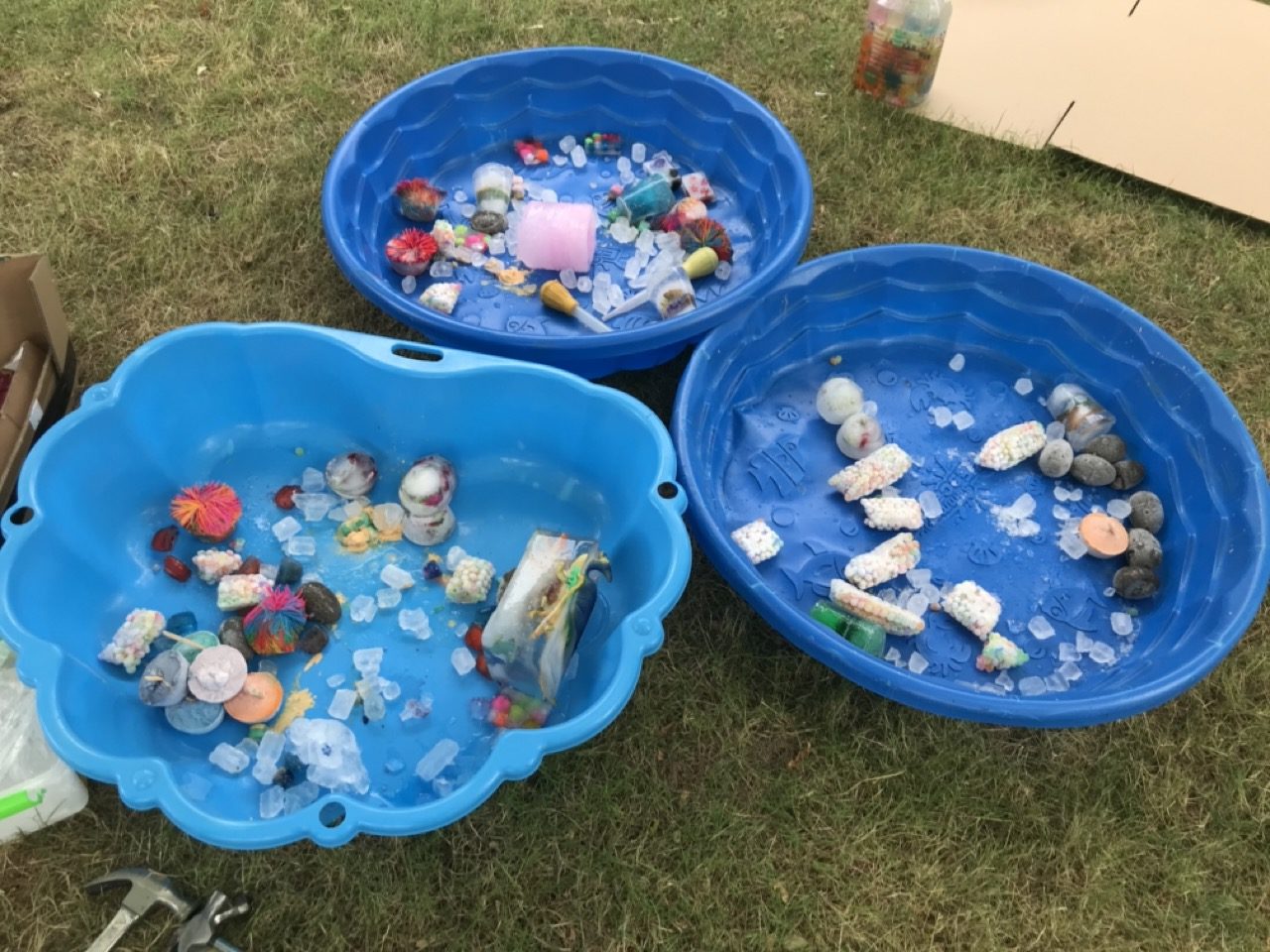
I hoped for a warm day to do an ice-themed camp invitation*, but in England all we had were moderate days and chilly days. The kids seemed completely unfazed by this fact and the ice probably lasted longer! I had soooooo many kinds of ice. I basically just did everything I could remember Busy Toddler … Read more

Sitting

Sitting is not morally better than standing. Sitting is not morally better than pacing. Sitting is not morally better than wandering. Sitting is easier for some adults to handle than standing, pacing, or wandering. Why are we more worried about what is easier for adults to handle than what makes it easier for children to … Read more

Sensory Mismatch & Bedtime Routines

A challenging thing about having children with vastly different sensory processing styles, or about having a very different sensory processing style yourself than your child, can be finding solutions in your family that meet both needs. I get requests to write about this “sensory mismatch” a lot—for good reason! It’s a complicated topic. It’s a … Read more