Are ‘Games’ and ‘Play’ the Same?

In Toy Story 5, there’s a part where Jessie says, “That’s not playing, that’s just a game!”, referring to a game that she was greatly enjoying involving jumping around and stomping her feet on buttons as they lit up. When this is met with confusion by another toy, she demonstrates: what she means by “playing” … Read more


What if You Decided to Trust Her?

“She’s really shy,” you find yourself saying. “She’s afraid to go and play with the other kids. When we go to the playground she’s anxious about leaving me.” She’s three. And you just want to support her. And, if pressed to explain what you mean by “support”, you might say: you just want her to … Read more

Wishes, Limits, & Boundaries

Do you understand the difference between wishes, limits, and boundaries? If you find yourself saying the word “want” or “need”, a lot of times you are expressing a value, a wish, or a feeling. Same with the word “let”, as in “they won’t let me…” Limits are a decision that you are enforcing about the … Read more

Schema Quiz

I have a guessing game called, “Which of these ‘behaviors’ is actually a sign of developmentally appropriate schema play in toddlers and babies?” (if you don’t know what schema play is, I’ll explain in just a sec 😉 ) Okay, so here are your options: a) Throwing toys, even after the adult has told the … Read more

“Need” to Learn

We do not need to decide when our kids “need” to learn to count and write. If they see us modeling counting and writing authentically, they will be interested in it and pursue it when their brains are ready to figure it out. Count things when things need to be counted! Count them out loud … Read more

When Does Empathy Begin?

I’ve recently seen some confusion about how empathy develops in children. Someone might say, “You can’t expect children to start showing empathy or take someone else’s perspective until they’re 7+”, and someone else might argue, “But toddlers and even babies absolutely seem like they’re being empathetic—so we can expect it of them.” The truth is … Read more

A Reframe On Threats

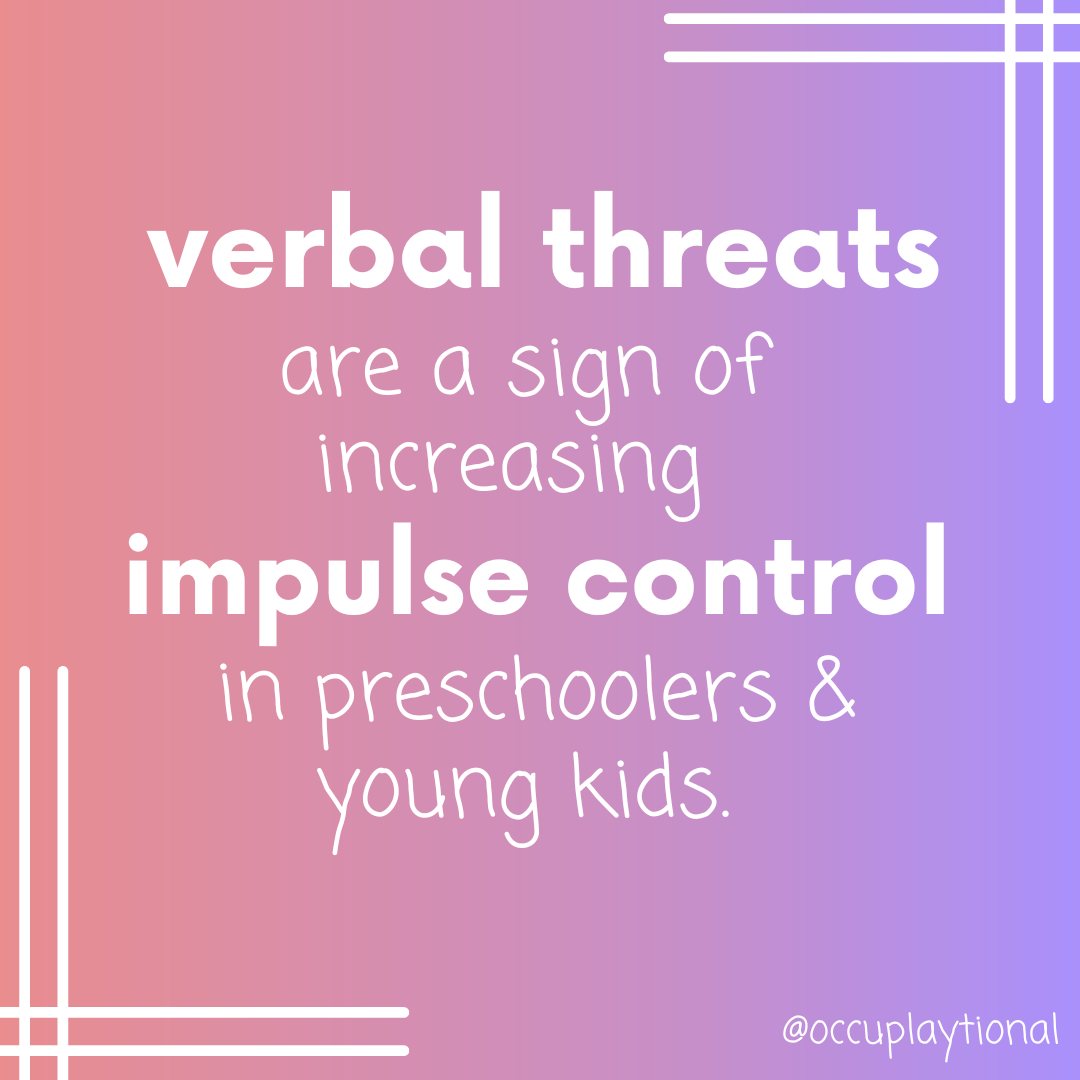
A young child whose toy is snatched away might instinctively hit the child snatching their toy. An older child whose toy is snatched might say, “Hey! Give me that or I’m gonna hit you!” Both of these situations might be triggering or upsetting to the adult intervening. And it might be hard to see the … Read more

Tummy Time

Lying in prone (aka on your tummy) and propping up on your elbows to play—even to play electronics!—is important work. It strengthens the muscles in your core. It strengthens and stabilizes the joints that are propping up—the elbows, the shoulders. Even when I get tired or unfocused at work, I’ve been known to put what … Read more

Your Kids Don’t Suck: Neurodiversity and OccuPLAYtional Therapy in School (Podcast Interview)

We discuss: Kelsie’s Training and Approach: Rythea and Cara delve into Kelsie’s background as an occupational therapist, exploring what this means and how it shapes her approach to working with children. The Child-Centered Approach: Kelsie discusses her approach to working with kids, emphasizing child-led methods and its alignment with her non-authoritarian parenting style. She contrasts … Read more