Schema Quiz

I have a guessing game called, “Which of these ‘behaviors’ is actually a sign of developmentally appropriate schema play in toddlers and babies?” (if you don’t know what schema play is, I’ll explain in just a sec 😉 ) Okay, so here are your options: a) Throwing toys, even after the adult has told the … Read more

Slowing Down to Understand

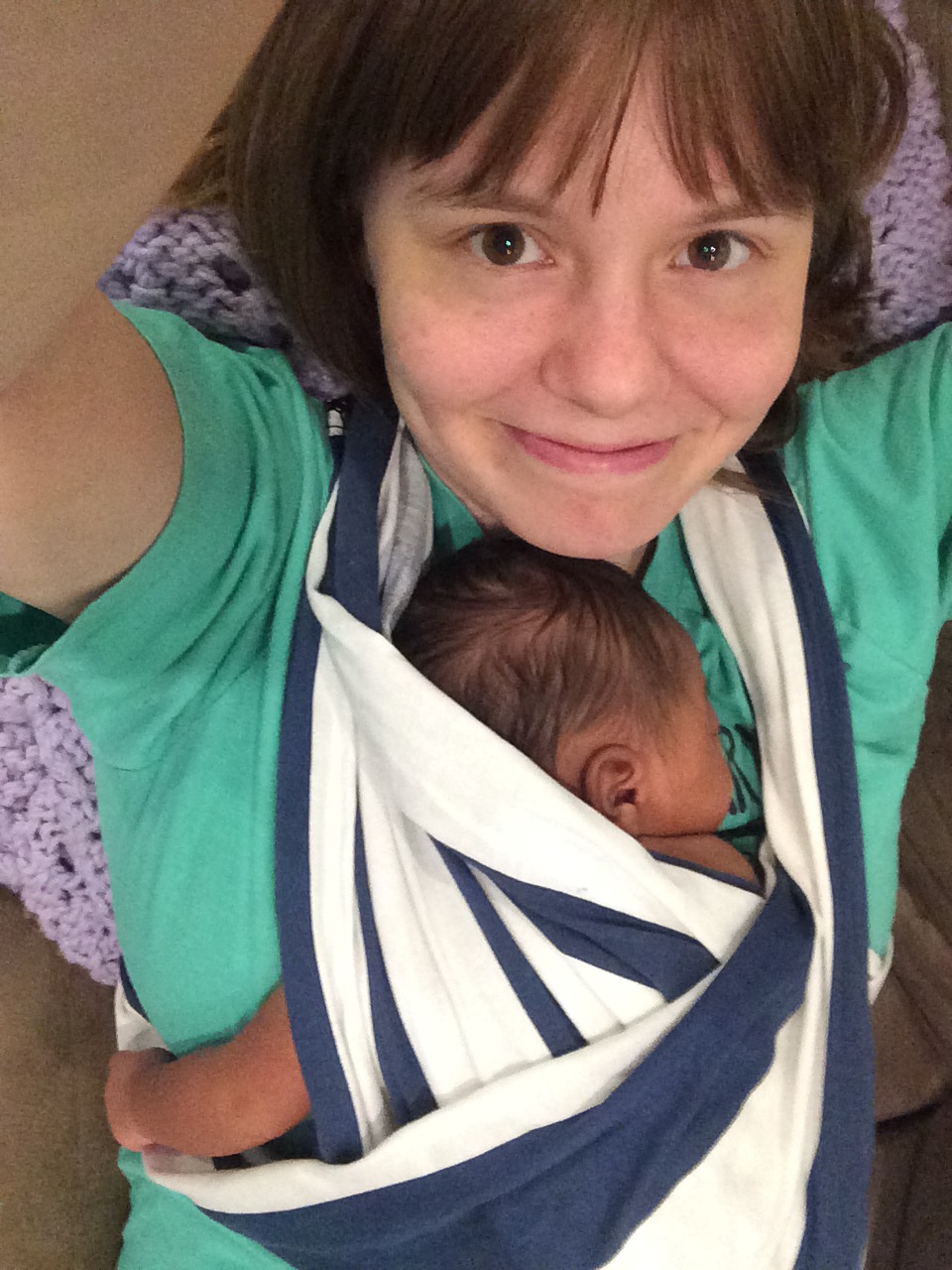
When something uncomfortable—like something for medical health and safety—has to happen for a child, it’s often adults’ instinct to try to do it as fast as possible, to get it over with. (After all, it would be kind of barbaric to extend an uncomfortable or painful experience when it could be sped up and then … Read more

Bad Roommate

I became a parent on about 24 hours’ notice. We flew from the state where we lived to the state where my son was born in time to take him home from the hospital. Legalities mandated we couldn’t leave the state until one set of paperwork was done, so we had to stay in a … Read more

Immediate Obedience

Immediate obedience is a fear response. There isn’t immediate obedience when you’re committed to parenting your children without making them afraid of you. Sometimes your kid just needs a second to process what you asked them. They’re not afraid of you, so they don’t fearfully freeze while they process, or override their logic brain that … Read more

Feeling All The Feelings Webinar (Hosted by Neurodiversity Ireland)

As more and more parents, caregivers, and adults start undertaking the work of helping the next generation of children feel safe to express their feelings rather than repeat unhealthy habits from the past, it can be hard knowing where to begin or which way is up. Co-regulation, self-regulation, interoception, what do these words mean? What … Read more

What is Modeling?

Somebody asked me the other day if I’ve ever written a post defining what modeling is. I haven’t, but it’s a good idea since I suggest modeling things for children basically constantly. 🙂 I think I probably picked up the language from time in the AAC (augmented/alternative communication) community, because there’s a growing push and … Read more

What is Behavior Communicating?

The phrase “behavior is communication” was invented in response to a set of ideas, a counter to them. One of these ideas is that children’s inconvenient or strange or annoying behavior is a sign of some character flaw in the child. That they’re doing it to defy or annoy or enrage the adult. Another idea … Read more

A Proprioception Primer

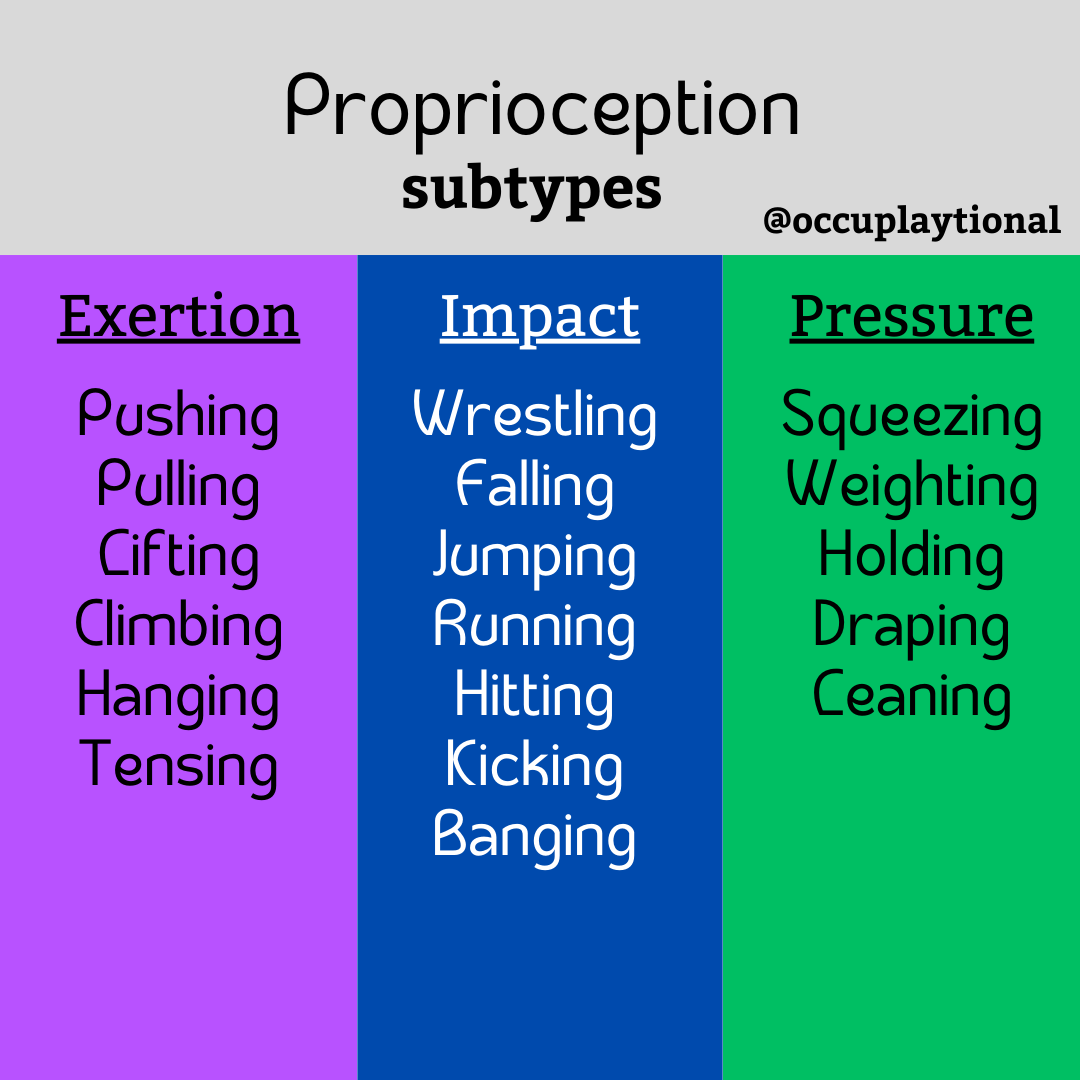
When I try to define the word “proprioception” I usually refer to it as “deep body sense”. The sensing part of it also has to do with your sense of body in space and your body in relation to itself and other objects. Proprioception is sometimes called the “universal regulator” in that nearly everybody in … Read more

Redirecting…(the kids, not the website)

People use the word “redirect” to mean a lot of things. Sometimes people are using it to talk about actions. Sometimes they are using it to talk about emotions. Sometimes they are using it to talk about energy levels. Sometimes people are using it to talk about distracting. Sometimes they are using it to actually … Read more

Vestibular Input

Most people — not all, but most — find rhythmic vestibular sensory input to be soothing. Rhythmic: regular, repeated, predictable. Vestibular: having to do with your inner ear, your sense of balance and movement. It is based on the motion, or lack of motion, of fluid inside of your inner ears. You can imagine human … Read more