Sensory Mismatch Key: Know Yourself
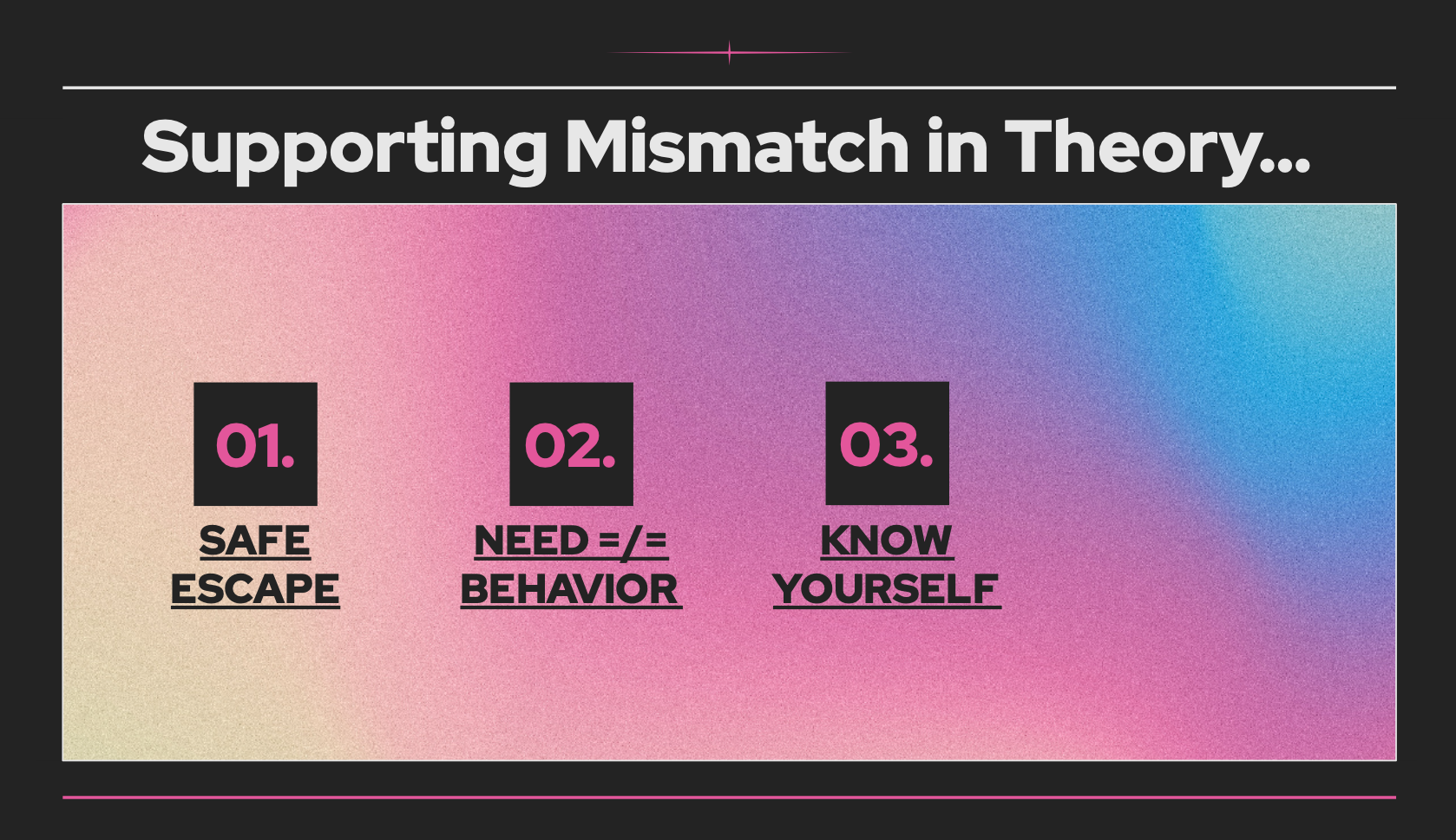
Here’s my third tool for dealing with sensory mismatch in your family, home, school, or work environment. If you’ve missed the first two posts (one, two), check those out first — it may help you understand what’s being discussed in this one. Adults should raise their awareness of their own sensory needs. This can be … Read more
Sensory Mismatch Key: Need Isn’t Behavior

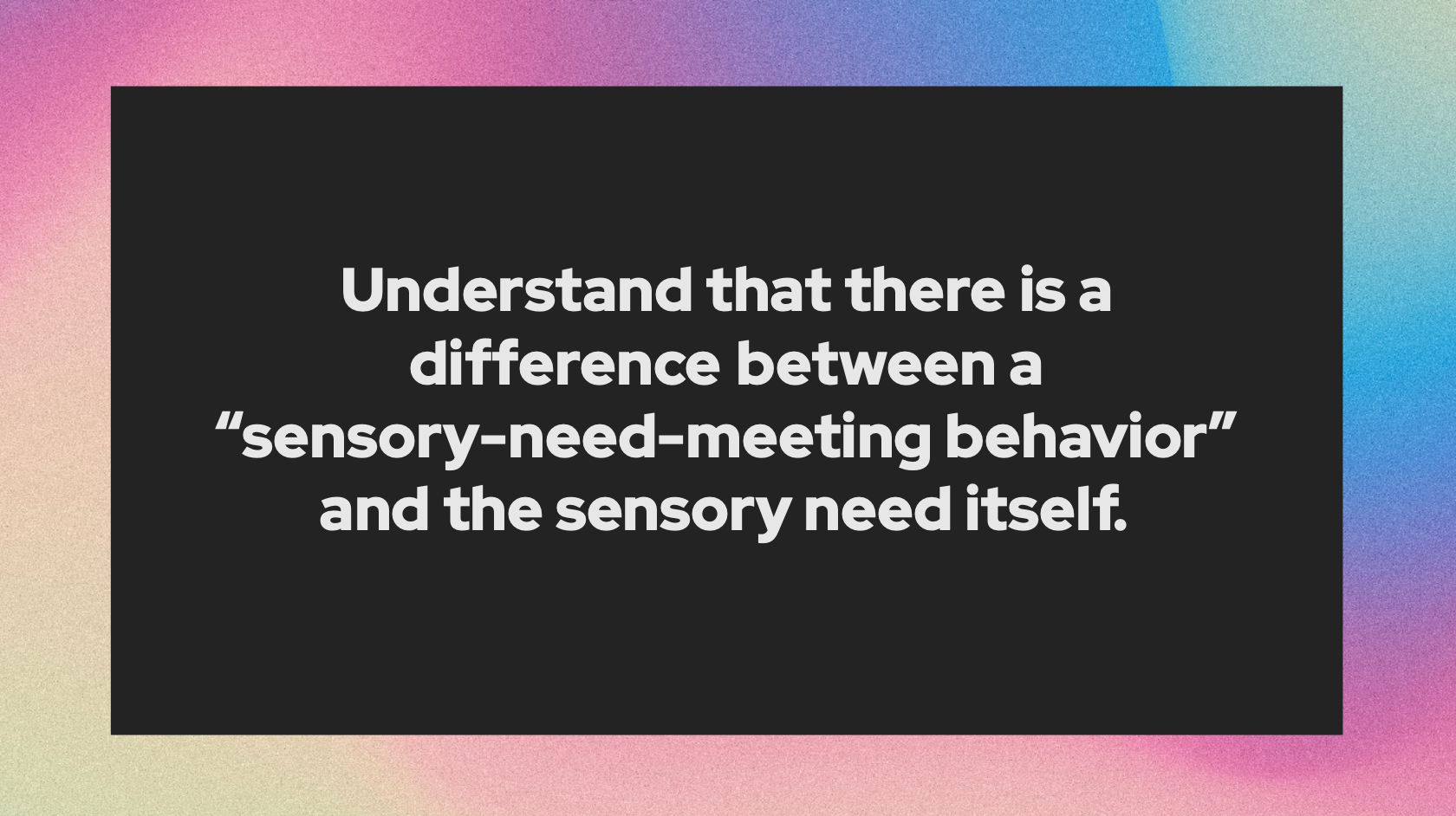
In my last post, I shared the first tool for dealing with sensory mismatch. Today I’ll share another tool. Just like in the last post, some of the things I say in this post may be tricky to understand if you haven’t read any of my past posts about sensory processing or some of the … Read more

Sensory Mismatch Key: Escape

I have had lots of questions from people about “sensory mismatch” lately. Sensory mismatch is my phrase for it when two (or more) people in the same environment (like home, a classroom, etc) have different sensory processing styles, AND those different processing styles are causing a clash of some kind. I recently gave a whole … Read more

Make A Plan, Write It Down

I mentioned this idea almost offhandedly in a training recently and it was profoundly exciting to the people in the training— so I’m making it into its own post! Here’s the idea in brief: ask kids to plan ahead, and write their idea down. And then reference your written note about it at a later … Read more

Big Pile of Pillows

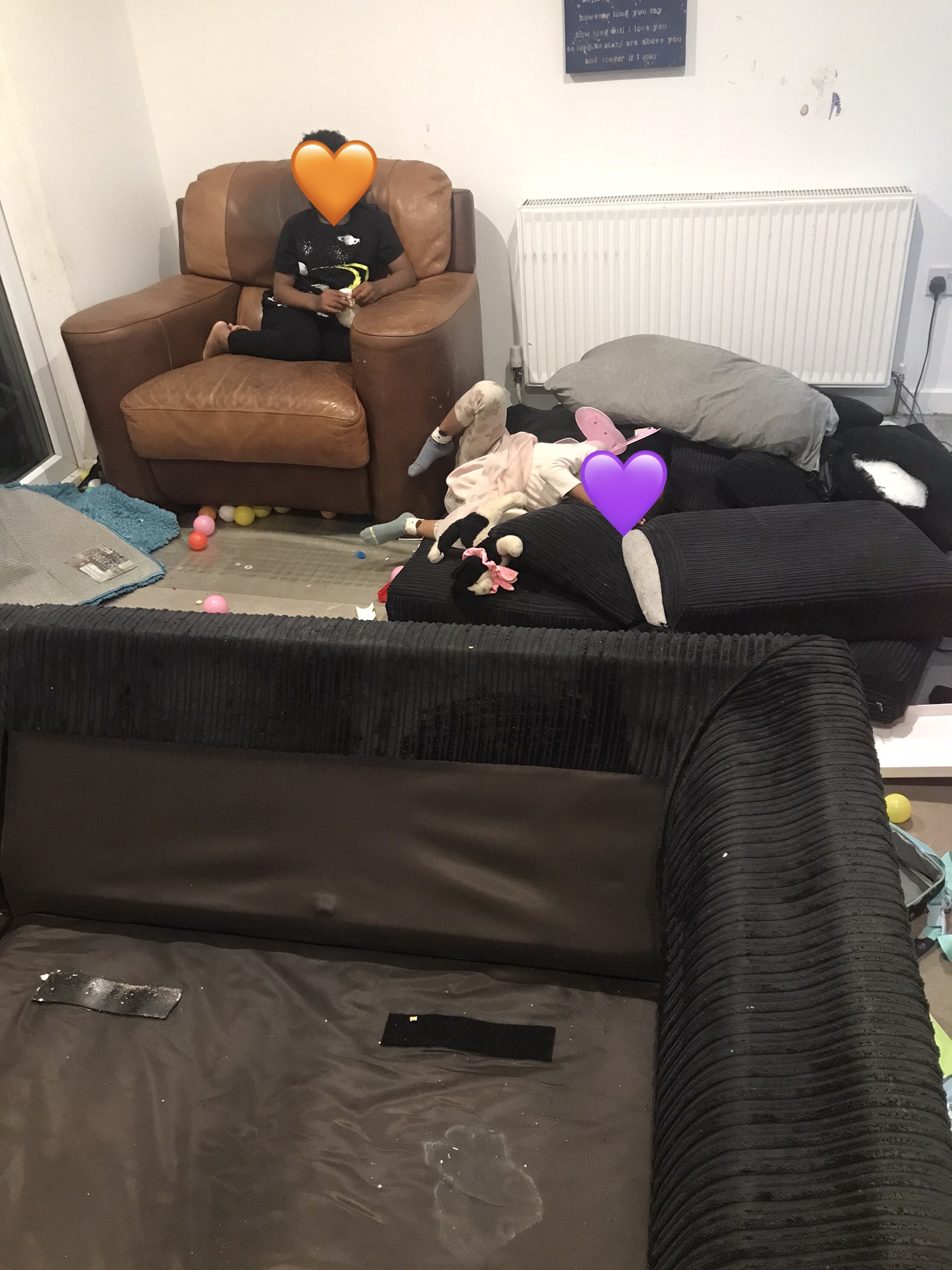
It was 45 minutes until bedtime and my kids (6 and 4) were super amped up and high energy. Some days I have the energy to start playing goofily with them in a way that I know will help them get the deep pressure body input they need in order to start settling and feeling … Read more

Yelling, from a Sensory Side of View

Did you know that yelling is, from a sensory perspective, a very regulating thing to do? That might sound weird and it might make your brain jump to conclusions that aren’t the same as exactly what I’m saying. But think about it for a moment, from a mental perspective of thinking of the mechanics of … Read more

Vestibular Input

Most people — not all, but most — find rhythmic vestibular sensory input to be soothing. Rhythmic: regular, repeated, predictable. Vestibular: having to do with your inner ear, your sense of balance and movement. It is based on the motion, or lack of motion, of fluid inside of your inner ears. You can imagine human … Read more

Talking About Self-Advocacy

Sometimes when I tell parents that it’s okay to wear earplugs in order to cope with their own sensory sensitivity/avoidance, they worry that they’re going to hurt their children or implicitly be telling their children that they’re too loud, too much, etc. My children have been around me wearing earplugs since they were 2 and … Read more

An Interoception Observation

I had an unusual moment recently that reminded me of a sensory feeling from my childhood that I’d completely forgotten about. For me, it was a good illustration of the way that interoception — or inner body senses — work. Your inner body sense sort of describes 2 types of internal feelings (at least the … Read more

Case Study: Sensory Mismatch in Play

I’ve written before about “sensory mismatch”. It’s one of the hardest things for people with vastly different sensory profiles to be able to get along with each other in stressful circumstances. Let me tell you another story from my own family. The cast of characters here is myself, my son Apollo (5), and my daughter … Read more