Caution Around Language
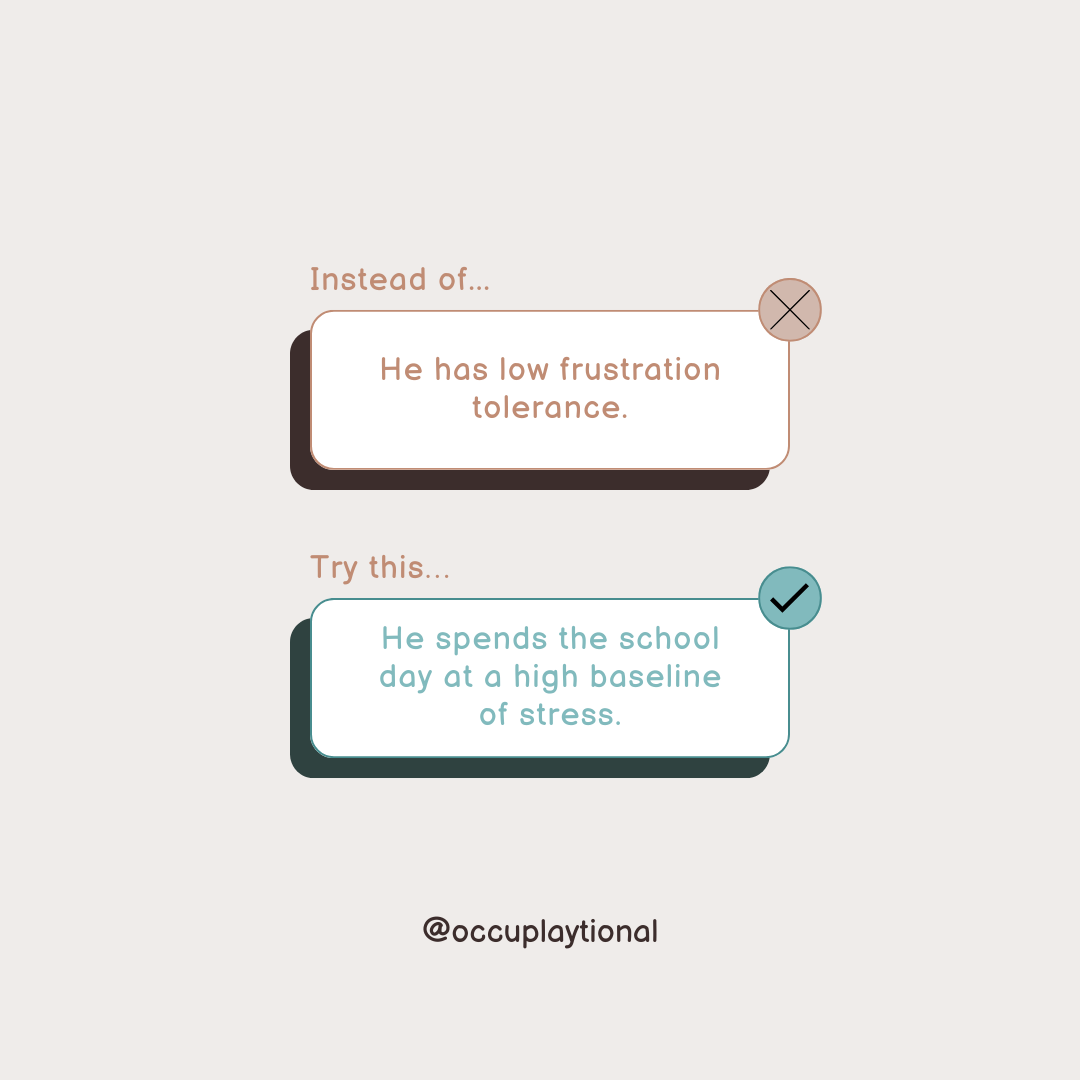
I have noticed some of my language shifting when I write notes, evaluations, progress notes, etc, in an ongoing effort to be more true when I describe what children are doing—since it’s so easy for my bias (positive or negative) to creep in, and since my assessment of what their body is doing carries so … Read more

New Space in Your Brain

I want you to imagine for a moment that…everything is really good right now. Imagine that all the things on your to-do list that feel like “have to”s (instead of “get to”s) are taken care of. Someone is going to bring you dinner and it’s food you love and your body is hungry for it. … Read more

Hair Washing

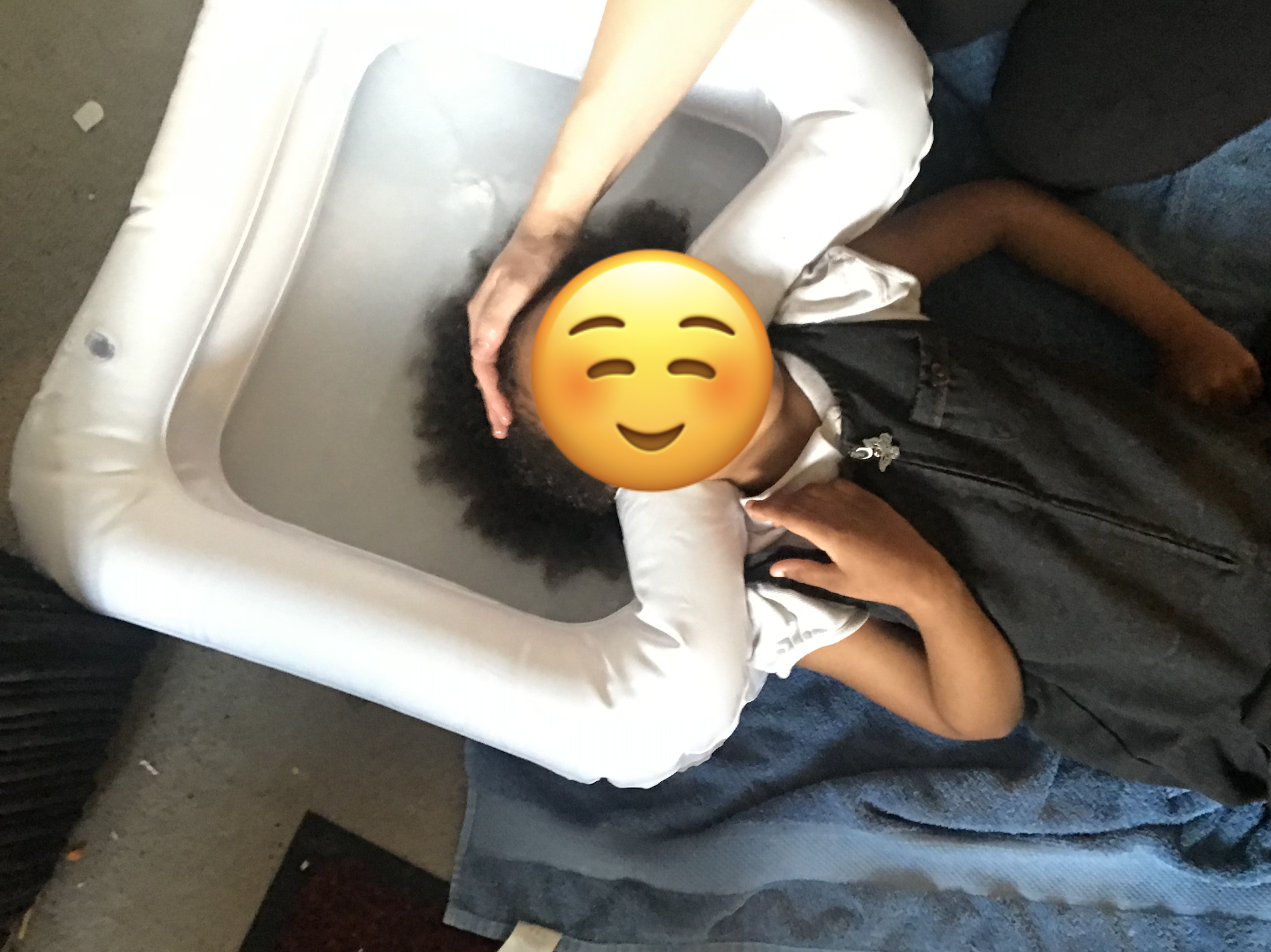
My kids are 6 and 4. Both of them have gorgeous tight-coily-textured hair and both of them have (different) sensory processing sensitivities. For the first time in our family’s entire life I successfully washed and cared for everybody’s hair thoroughly in one weekend — even less than that, it only took a few hours! Using … Read more

Galaxy Thoughts

When I think to myself I do not think with an inner dialogue. My thoughts don’t sound like words until I translate them. When I think to myself, it’s in a big empty void (I call it a galaxy) and my thoughts are in clusters I call boxes and the cluster represents a whole entire … Read more

A Tale of Two OTs

There was once an occupational therapist working at a school. The occupational therapist had a young teenage boy on their caseload. They were supposed to see the teenage boy to work on handwriting goals. The therapist could work with him for thirty minutes every week. The therapist spent a lot of time thinking of creative … Read more

Sensory Mismatch Conclusion

The last thing that I wanted you to know this week, as I wrap up my talks about sensory mismatch (the other four posts are here: one, two, three, four), is that kids will typically become better at managing this mismatch themselves over time, so you don’t have to feel like this will take active … Read more

Sensory Mismatch Key: Set Up the Environment

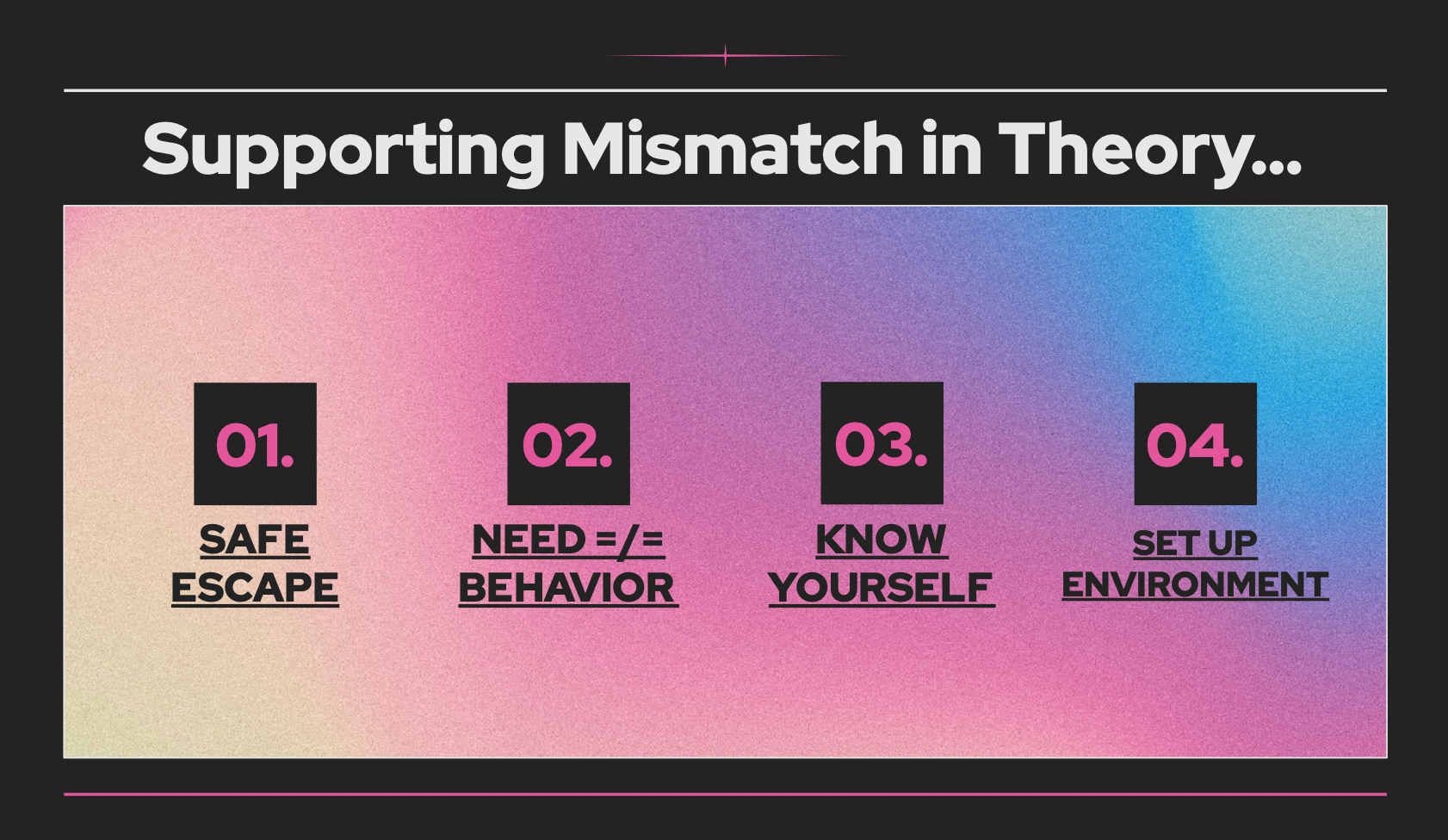
Setting up the environment to help mitigate some of the sensory mismatch is the fourth tool you can use in parenting, teaching or whatever situation you might encounter. Some of these other things I’ve named over the course of this week are just specific versions of doing this. (Here are links to the first post, … Read more

Marshmallows

When I was a kid, I really loved marshmallow cereal (like Lucky Charms or Marshmallow Mateys, the knockoff brand that we actually usually ate). I really wanted to pick out all the oatmeal pieces and eat them first, so that I could have a big bowl of marshmallows left at the end and try eating … Read more

Sensory Mismatch Key: Need Isn’t Behavior

In my last post, I shared the first tool for dealing with sensory mismatch. Today I’ll share another tool. Just like in the last post, some of the things I say in this post may be tricky to understand if you haven’t read any of my past posts about sensory processing or some of the … Read more

Sensory Mismatch Key: Escape

I have had lots of questions from people about “sensory mismatch” lately. Sensory mismatch is my phrase for it when two (or more) people in the same environment (like home, a classroom, etc) have different sensory processing styles, AND those different processing styles are causing a clash of some kind. I recently gave a whole … Read more