Feeling All The Feelings Webinar (Hosted by Neurodiversity Ireland)
As more and more parents, caregivers, and adults start undertaking the work of helping the next generation of children feel safe to express their feelings rather than repeat unhealthy habits from the past, it can be hard knowing where to begin or which way is up. Co-regulation, self-regulation, interoception, what do these words mean? What … Read more


What is Modeling?

Somebody asked me the other day if I’ve ever written a post defining what modeling is. I haven’t, but it’s a good idea since I suggest modeling things for children basically constantly. 🙂 I think I probably picked up the language from time in the AAC (augmented/alternative communication) community, because there’s a growing push and … Read more

You Don’t Have Any Blocks

“I want you to build a tower,” I say. You agree, and you stand up to go get the bucket of blocks off the shelf. I shake my head sternly. “No. Did I tell you you could get up? Sit down. Build a tower.” You look confused. You point over at the bucket of blocks. … Read more

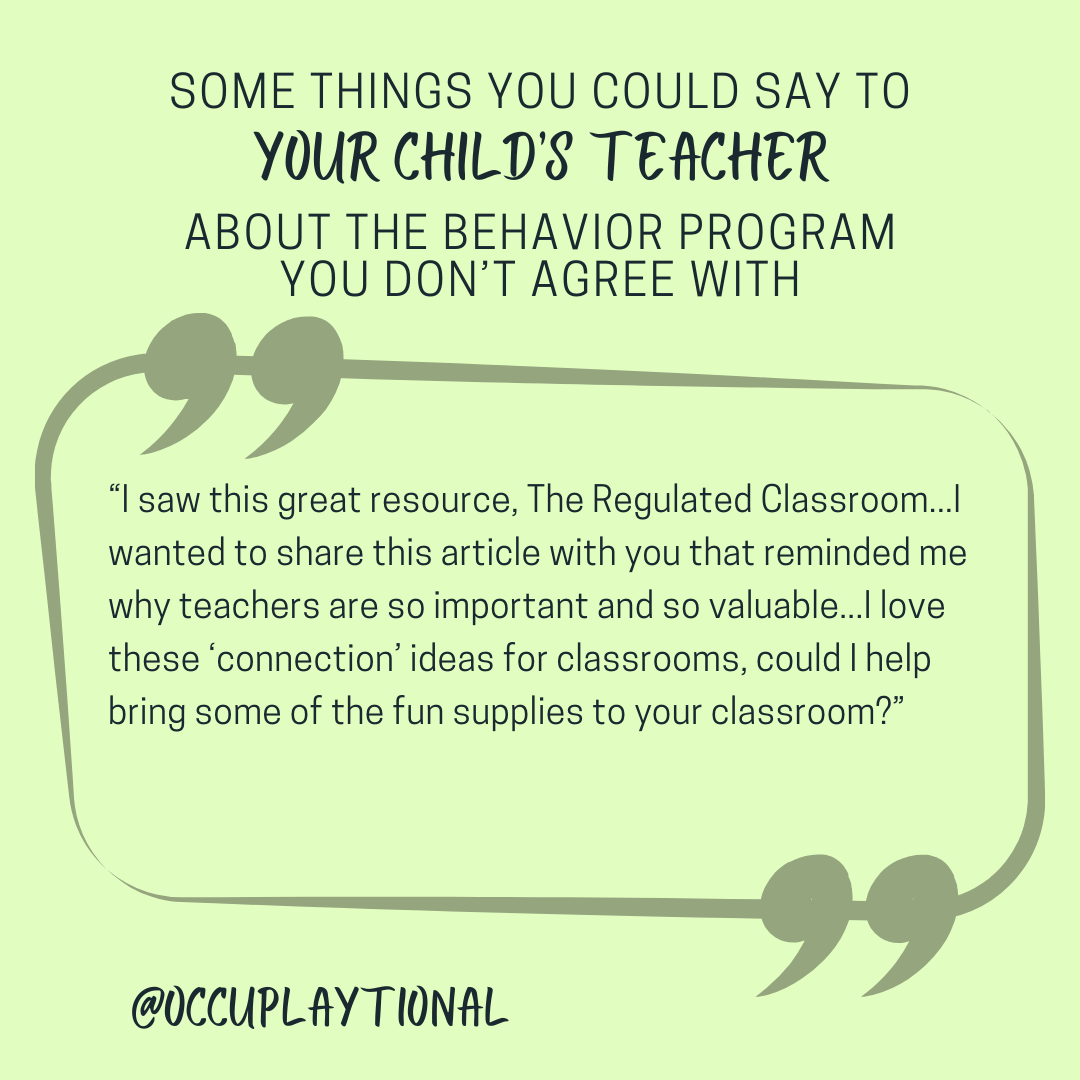
When You Don’t Agree With the Behavior Program

Sometimes parents are uncomfortable with the behaviorist strategies used by their schools. (ABA strategies, PBIS/PBL strategies, rewards charts, clip charts, smiley face charts, ClassDojo, etc.) I think it would be outright impossible for me to write to every single possible permutation of every individual situation, but my hope is that this very thorough post can … Read more

Motor Plans & Letter Formation

People ask me semi-often about learning “letter formation”, or, to put it in other terms, what would be the “right” way to teach children letters? (assuming that they WANT to learn to write letters…none of this information will be nearly as relevant if they are being FORCED to learn to write letters.) There is technically … Read more

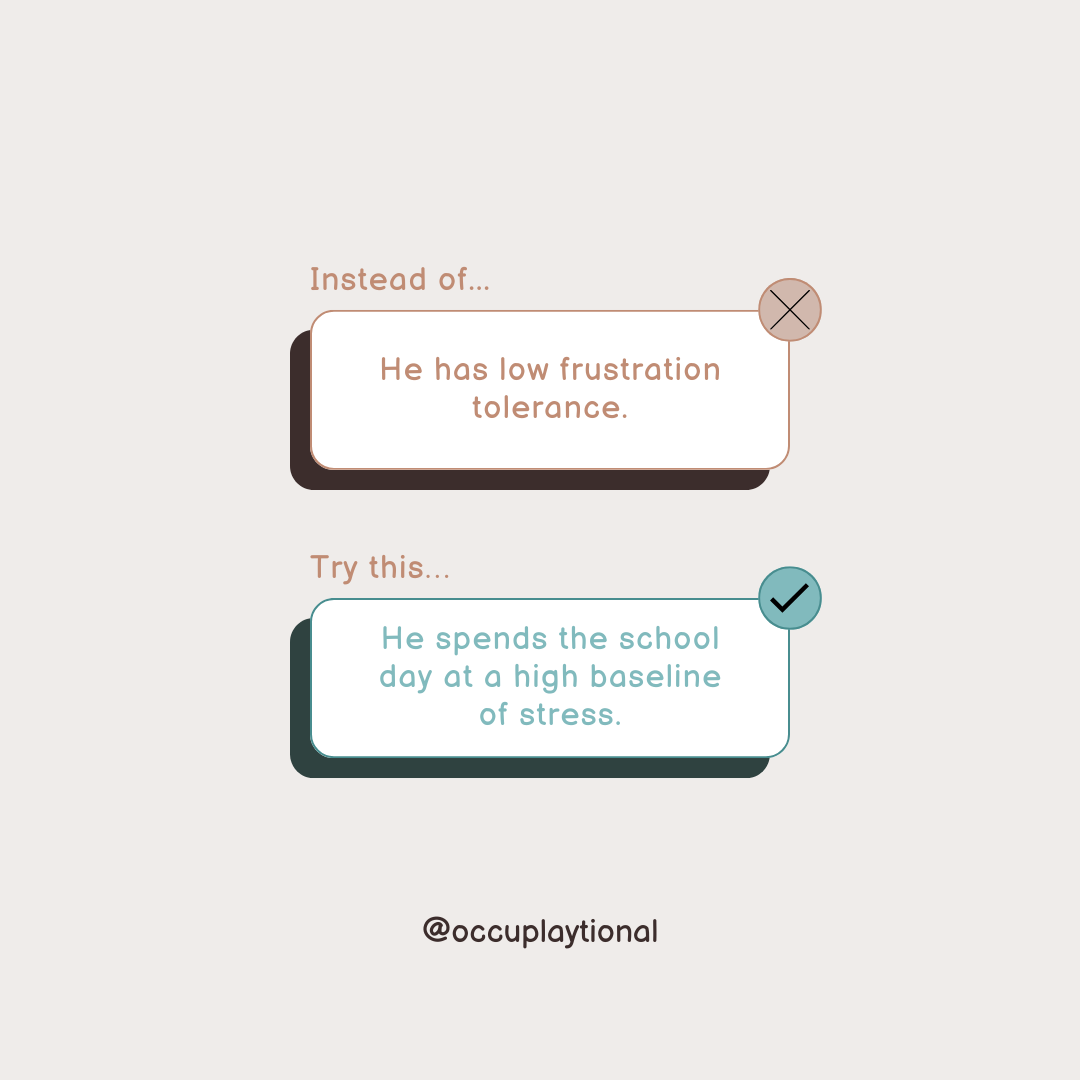
Caution Around Language

I have noticed some of my language shifting when I write notes, evaluations, progress notes, etc, in an ongoing effort to be more true when I describe what children are doing—since it’s so easy for my bias (positive or negative) to creep in, and since my assessment of what their body is doing carries so … Read more

New Space in Your Brain

I want you to imagine for a moment that…everything is really good right now. Imagine that all the things on your to-do list that feel like “have to”s (instead of “get to”s) are taken care of. Someone is going to bring you dinner and it’s food you love and your body is hungry for it. … Read more

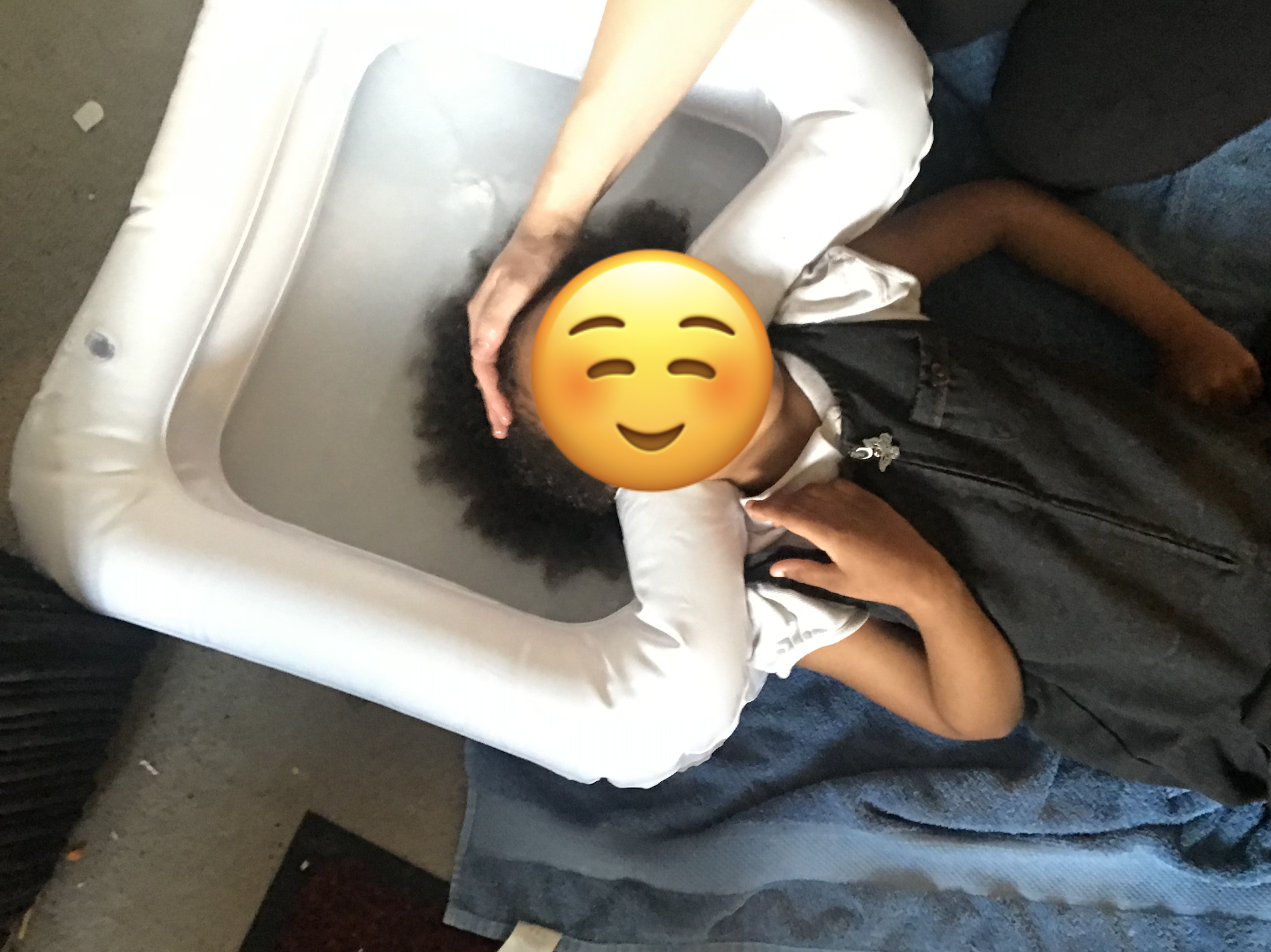
Hair Washing

My kids are 6 and 4. Both of them have gorgeous tight-coily-textured hair and both of them have (different) sensory processing sensitivities. For the first time in our family’s entire life I successfully washed and cared for everybody’s hair thoroughly in one weekend — even less than that, it only took a few hours! Using … Read more

Sensory Mismatch Conclusion

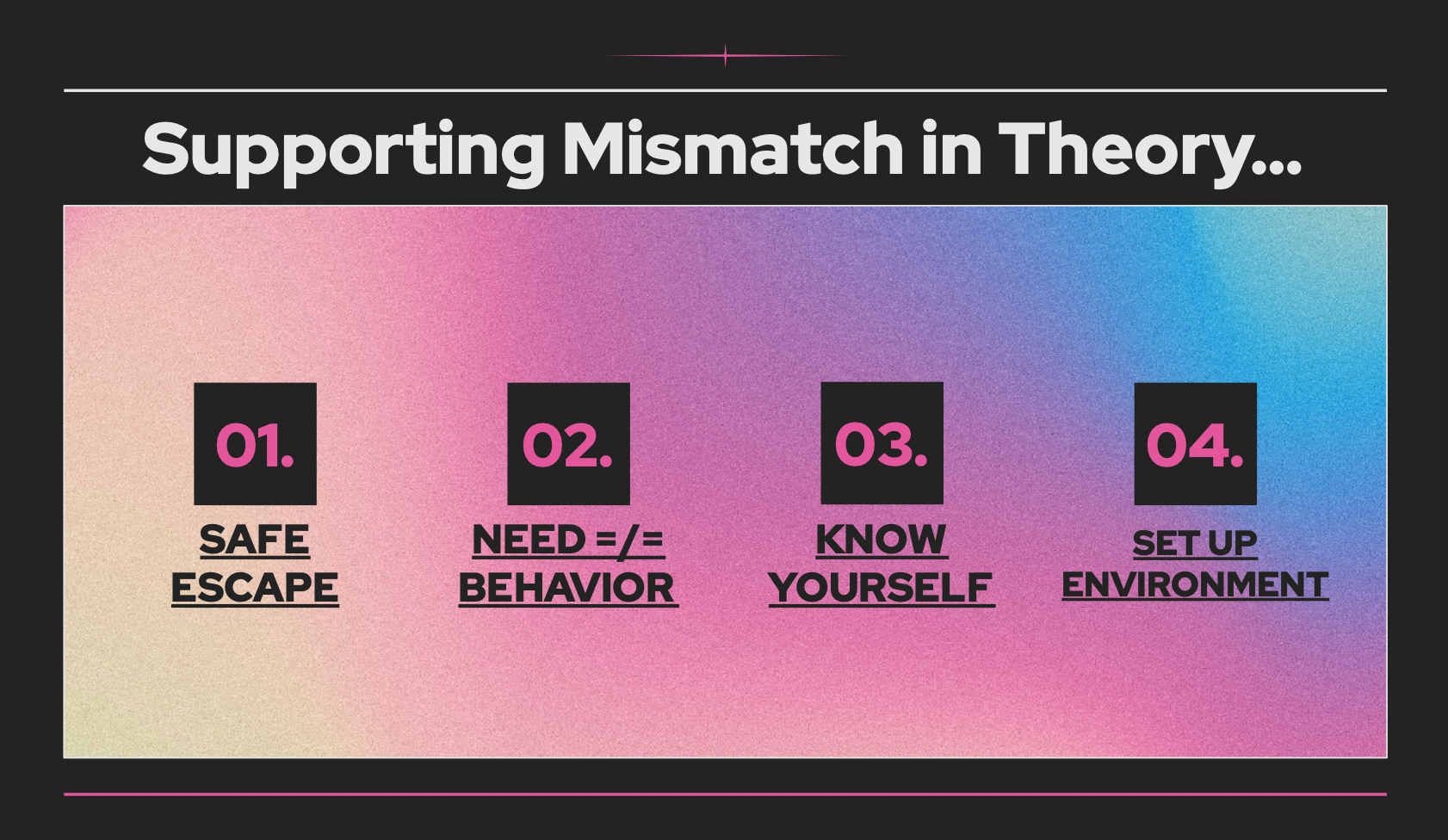
The last thing that I wanted you to know this week, as I wrap up my talks about sensory mismatch (the other four posts are here: one, two, three, four), is that kids will typically become better at managing this mismatch themselves over time, so you don’t have to feel like this will take active … Read more

Sensory Mismatch Key: Set Up the Environment

Setting up the environment to help mitigate some of the sensory mismatch is the fourth tool you can use in parenting, teaching or whatever situation you might encounter. Some of these other things I’ve named over the course of this week are just specific versions of doing this. (Here are links to the first post, … Read more