Creating “Calming Sensory Spaces” in the Classroom
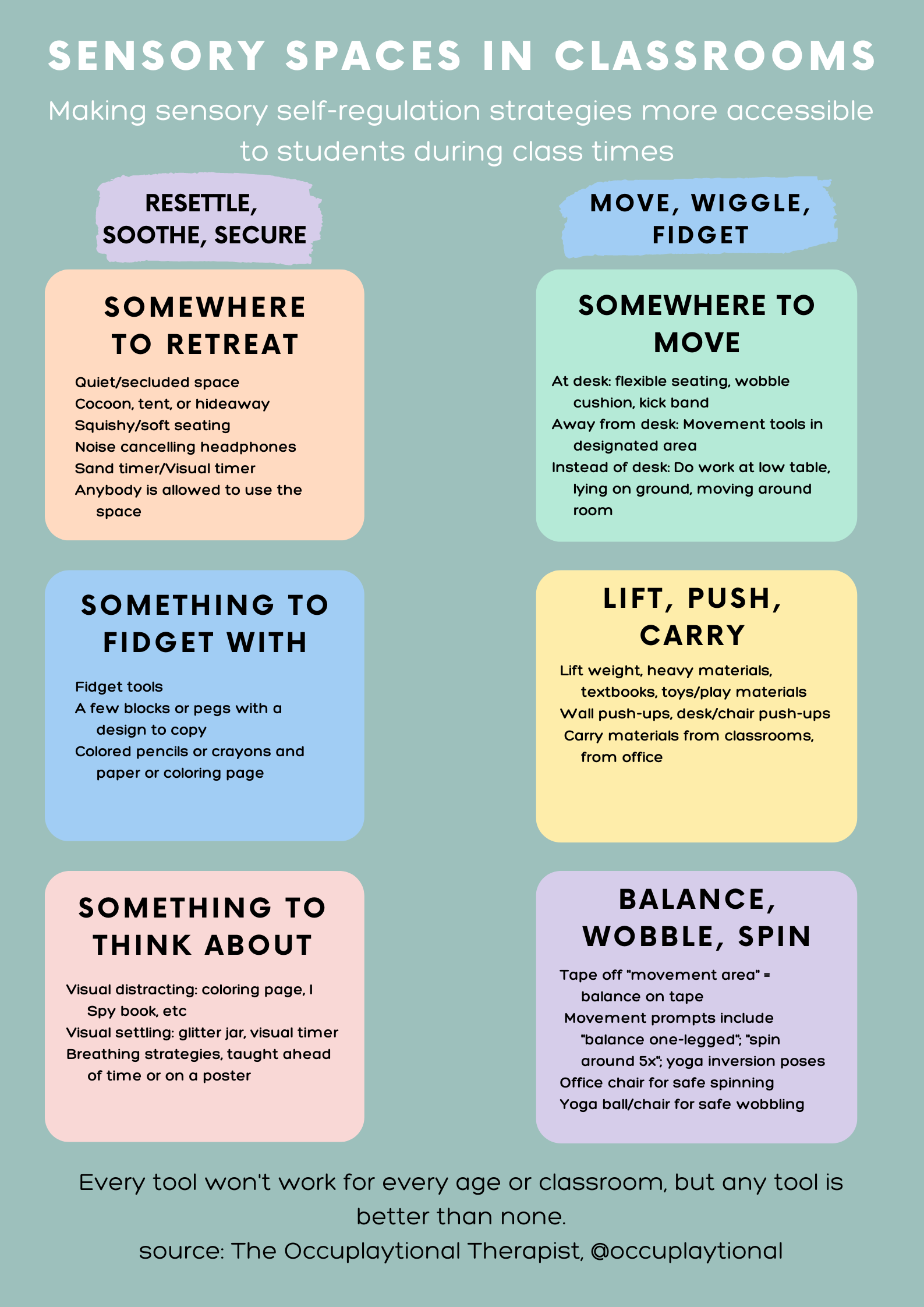
  A recording of myself presenting on the topic, “Creating ‘Calming Sensory Spaces’ in the Classroom”. I presented this first to teachers at the school where I work, and then made minor adjustments and recorded it to hopefully encompass a broader audience. You may share it with teachers, school administrators, anyone you think it might … Read more


The Difference Between Play & Fun

This little piece of art by Lynda Barry stopped me in my tracks the first time I saw it: It’s so true! And it’s also true that it’s easy to forget as adults and classify play as “fun” (and from there it’s a short leap to “unimportant”, I find…) But when I play as an … Read more

Explaining Neurodivergence with Phones

One way that I sometimes explain the concept of neurodivergence — that autism, or ADHD* are different wirings of the brain, without being something “wrong” with the brain — to children (or sometimes to their adults!) is by making an analogy to operating systems: for example, an iPhone versus an Android. Many kids above a … Read more

Two Stories of Power and Powerlessness

Two stories about power and powerlessness. A child and an adult were entering a classroom, together, one on one. The child skipped ahead of the adult through the open door of the classroom, zigzagged to the left and the right, saw the mini trampoline in the room and beelined toward that, did a single jump … Read more

Giving Kids Power

Okay, after my last post, you might be asking, how do we give kids power and autonomy? Honestly, a different way to ask this same question might be, how do we protect their right to their own power and autonomy? Because in the absence of adult interference, kids will find the ways that they want … Read more

Self-Autonomy

There’s a quote that I’ve seen on the internet that goes like this. “Sometimes people use ‘respect’ to mean ‘treating someone like a person’, and sometimes they use ‘respect’ to mean ‘treating someone like an authority’. So sometimes people who are used to being treated like an authority say, ‘If you won’t respect me, I … Read more

Video Games

On my recent post about children being developmentally ready for games with winning and losing, somebody asked me if the same information applied to video games, which was a great question. I think the umbrella term “video games” is pretty huge, and that sometimes makes it really hard to talk about what we’re talking about. … Read more

Everything is Sensory

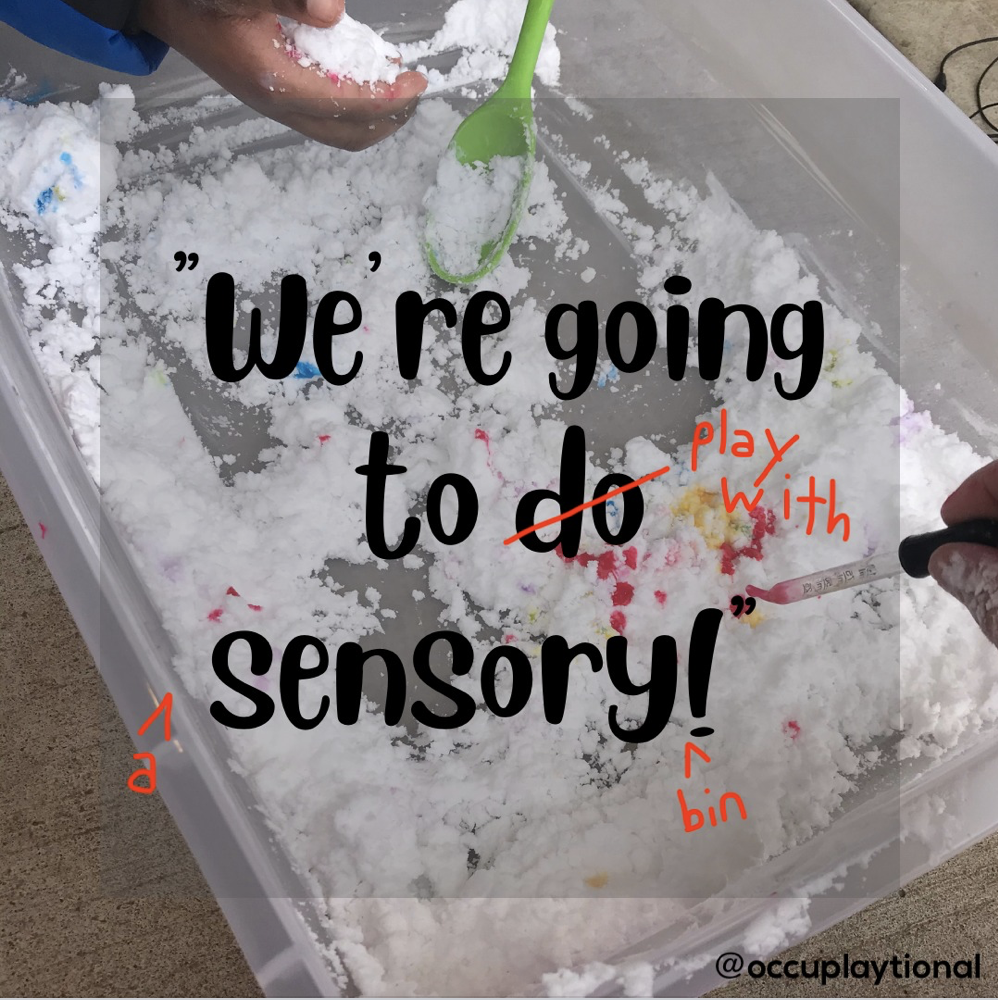
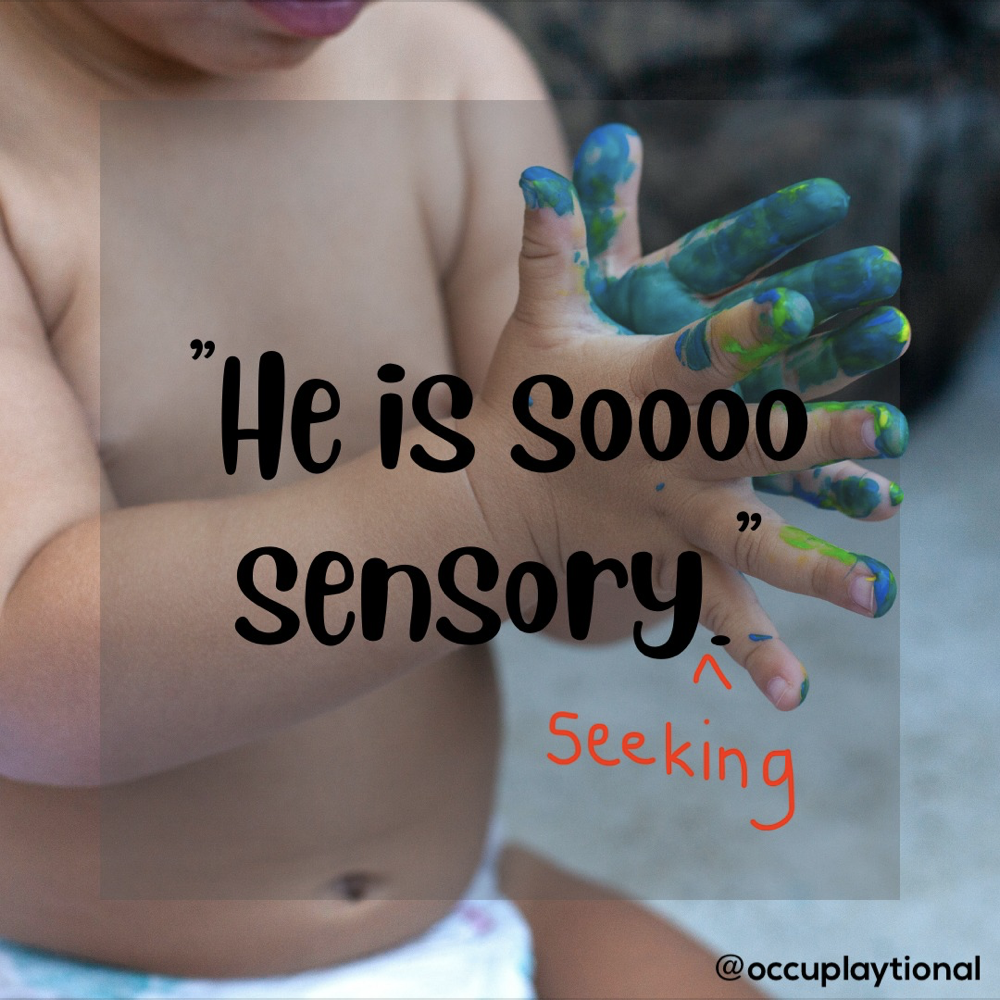
PSA: Everything is “sensory”! (And, again, like I mentioned yesterday…”sensory” is actually an adjective, not a noun…that’s me being pedantic, but it is something that really indicates to me whether I’m talking to somebody who knows what they mean and what they’re talking about, versus somebody who’s trying to communicate in a jargon that they … Read more

Everyone is Sensory

PSA: Everyone is “sensory”. 😊 (A second, more pedantic, more pet-peevy PSA: “sensory” is an adjective, not a noun!) Everyone in the world has a sensory system. Everyone interacts with the world around them through that sensory system. When people say a kid is “sensory”, they usually mean it as shorthand for “sensory-seeking”. But it’s … Read more

Three Scenarios

Imagine three scenarios. You’re holding your child on your lap. Your child is sobbing and screaming at the top of their lungs, curled up against you. In one scenario, they have just tripped, fallen, and banged their head on the floor. In a second scenario, their block tower has just fallen over. In a third, … Read more