Defining Terms (AA23)

I thought it would be helpful to have some definitions of some terms that I might use this month (and also throughout my writing). *** Autism/Autistic: I will be posting several definitions, one tomorrow and more throughout the month, of autism from a strengths-based reframe. At very least, it is worth thinking about and reconsidering … Read more

Person-First or Identity-First? (AA23)

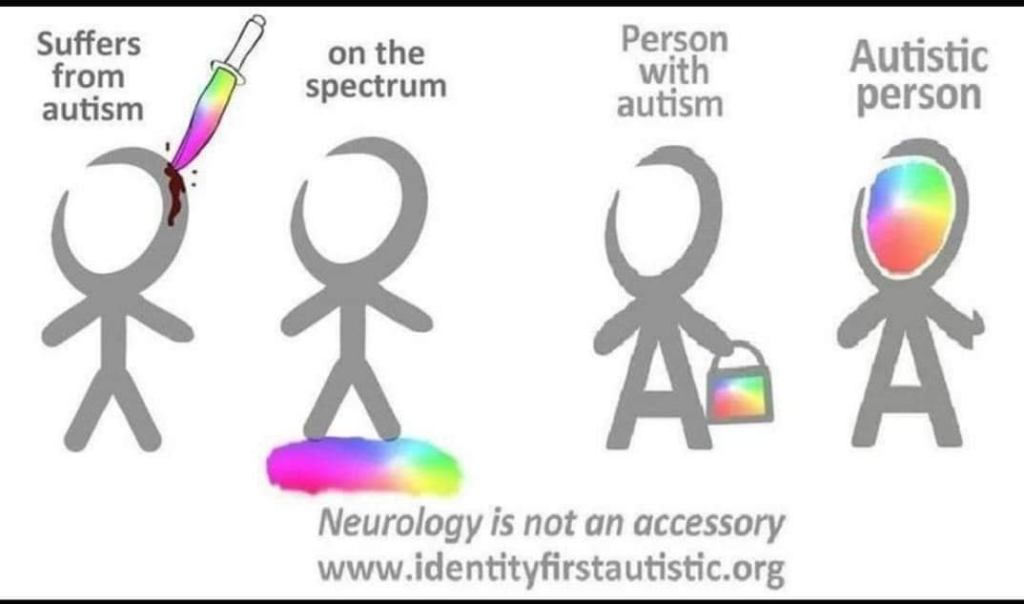
On this site, you will always see me saying “Autistic person” (or its variants, Autistic adult, Autistic child, etc) instead of “person with autism”. But you might have heard (just like I did in school) that it ought to be the opposite! What is the story there? Person-first language is a movement that rose up … Read more

Autism Acceptance Month 2023

Happy April! You may or may not know this as Autism Awareness Month. There have been campaigns for decades, but growing to prominence with social media culture, about “light it up blue”, the puzzle piece symbol, etc, to make people, well, I guess aware of autism. I have no doubt that on a person to … Read more

A Successful Meltdown

(At the time of my writing this, my son was 3 years old.) Yesterday evening was the best meltdown we’ve had in a long time. How’s that for a starter sentence? This is an incredibly long post, but I wanted to detail out exactly how this went and what I was thinking and doing, so … Read more

Explaining Neurodivergence with Phones

One way that I sometimes explain the concept of neurodivergence — that autism, or ADHD* are different wirings of the brain, without being something “wrong” with the brain — to children (or sometimes to their adults!) is by making an analogy to operating systems: for example, an iPhone versus an Android. Many kids above a … Read more

Communicating =/= Speaking

Communicating is not always speaking. It can be easy to write off neurodivergent people’s voices because they don’t always sound like neurotypical people’s voices. Imagine finally taking the effort and time to explain something that has happened to you, only for the person listening to not even engage with the content of what you’re saying, … Read more

Autism & Disability

Let’s talk about euphemisms. When non-disabled people dodge around the word “disabled” because they think it’s an uncomfortable word, that’s a euphemism. When they say someone has “special needs” or is “differently-abled” or is “challenged”, those are euphemisms. Most of the disabled community do not like being spoken of euphemistically. It’s a whole other conversational … Read more

Self-Advocacy

[Image descriptions: The first image has a title, “The Challenge with Teaching Self-Advocacy…It’s not them, it’s us.” over the top of an image of a child playing in a pink play tent filled with colorful balls while wearing bright green noise cancelling headphones. The second image reads, “Teaching self-advocacy to autistic students can look like: … Read more

Sensory Profiles

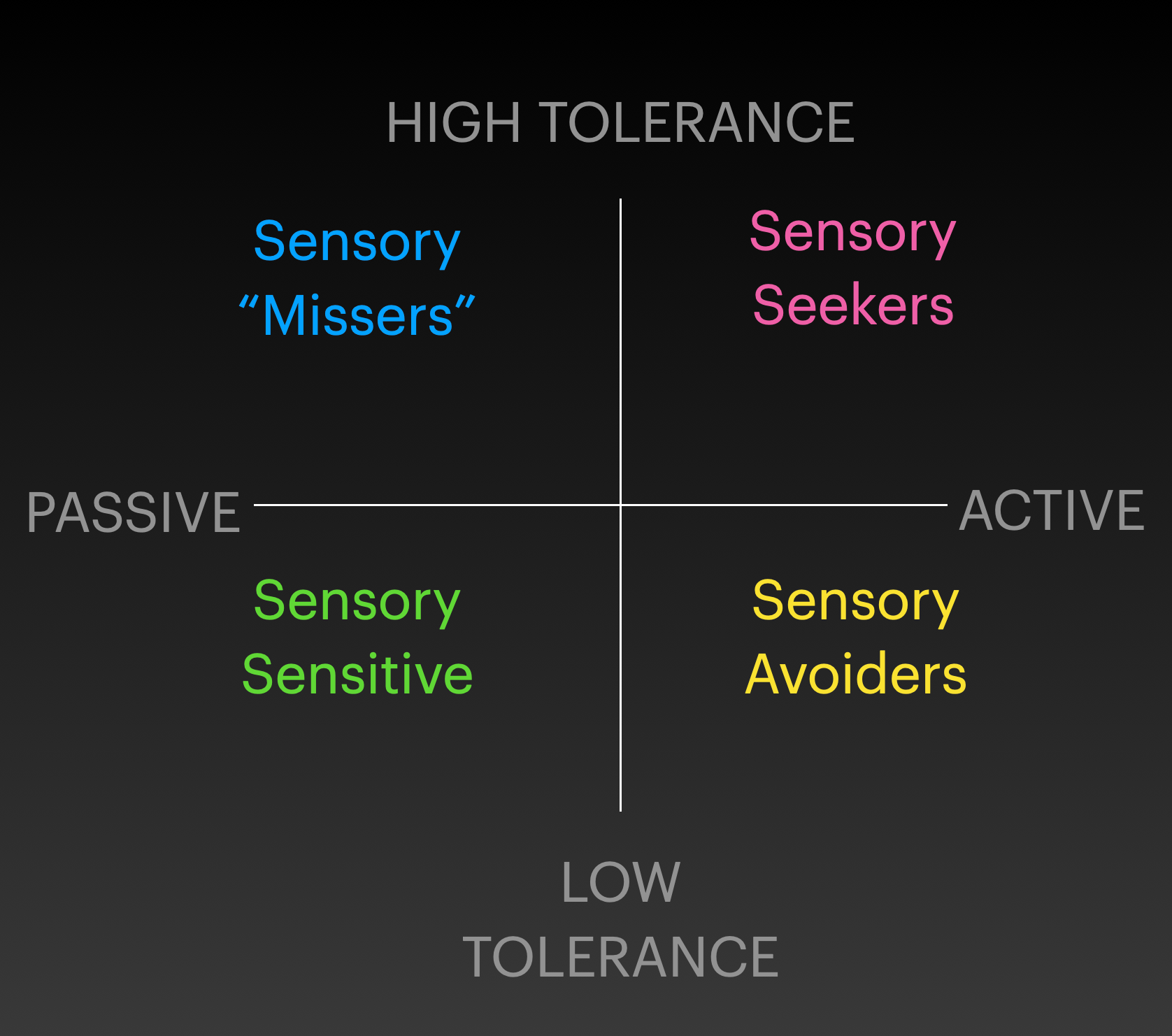
“Sensory” is one of those buzzwords these days in parenting groups, on Pinterest, and in relation to different diagnoses. I’ve seen people use it to mean pretty much everything. When I talk about sensory processing, I am not talking about kids playing with rice or shaving cream in a bin. 😊 There are a few … Read more