Because Cats Aren’t Dogs [AA23]
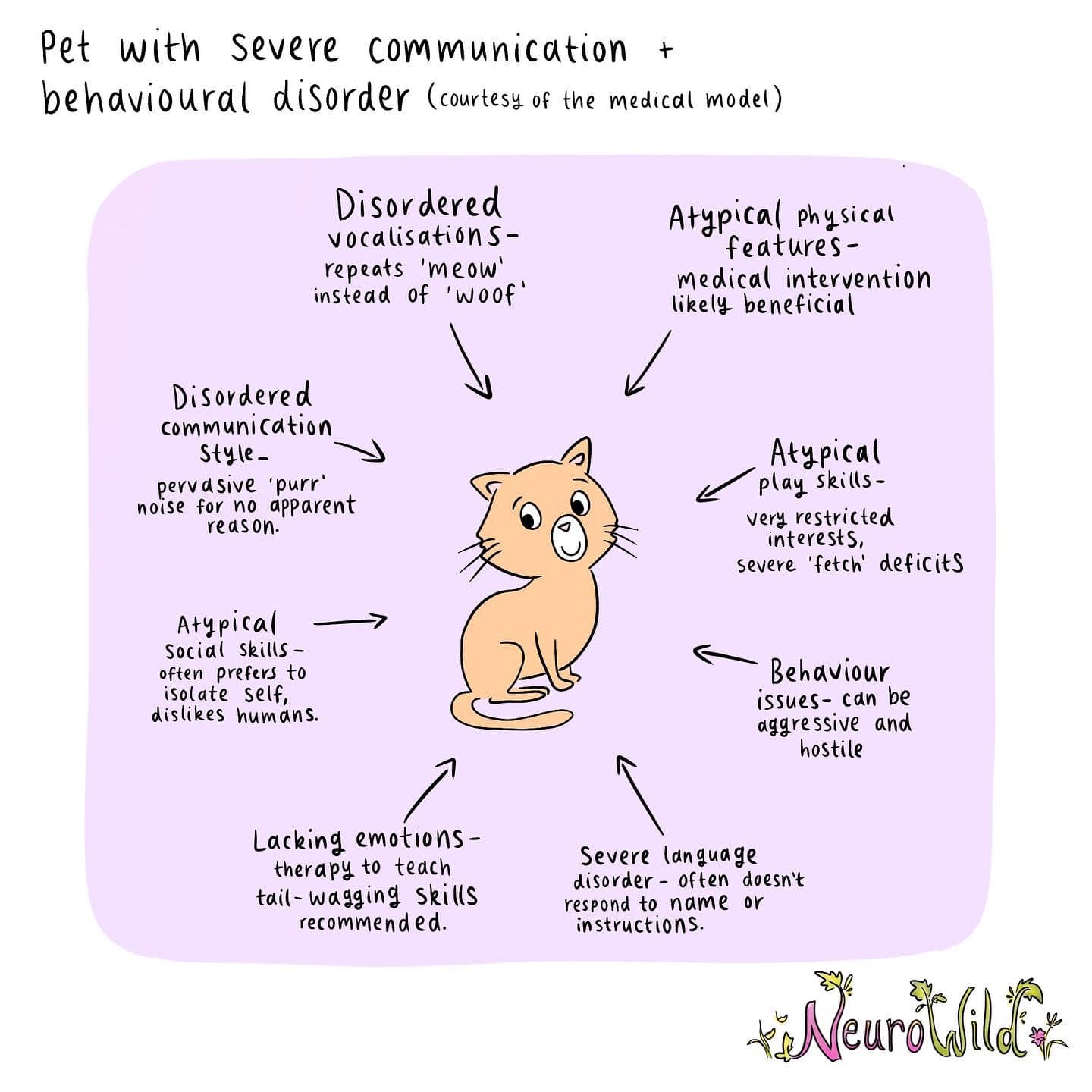
This post by NeuroWild does an incredibly concise job of showing the harm that the “medical model” can perpetuate in describing autism — specifically, in the way that it describes Autistic people solely by comparing them to non-Autistic people and then calling those things deficits or dysfunction, instead of by recognising and describing the unique … Read more

Co-Occurring Conditions (AA23)

Autism and ADHD. Autism and OCD. Autism and anxiety. Autism and Tourette’s. Autism and trauma. Autism (as a diagnosis) very commonly accompanies other diagnoses as well, which typically fall into different categories: some of them are mental health-related, some of them are physical (especially gut/digestion, vision/hearing, joint, or coordination related), and some of them are … Read more

Gender & Autism (AA23)

Continuing discussion of Autistic intersectionality… In studies examining the relationship between two things, it’s important to understand the directionality of the relationship. Just because all A are B, doesn’t mean that all B are A. That being said, there *is* actually a correlation in both directions when it comes to autism and gender diversity: people … Read more

Sex & Autism (AA23)

In continuing discussing about intersectionality, today’s discussion is about Autism and sex. Note that I am using the term “sex” here because I will be doing a separate post about autism and gender, which is its own complicated subject. What this post is about is not autistic people having sex or autistic people’s sexuality (although … Read more

Race & Autism (AA23)

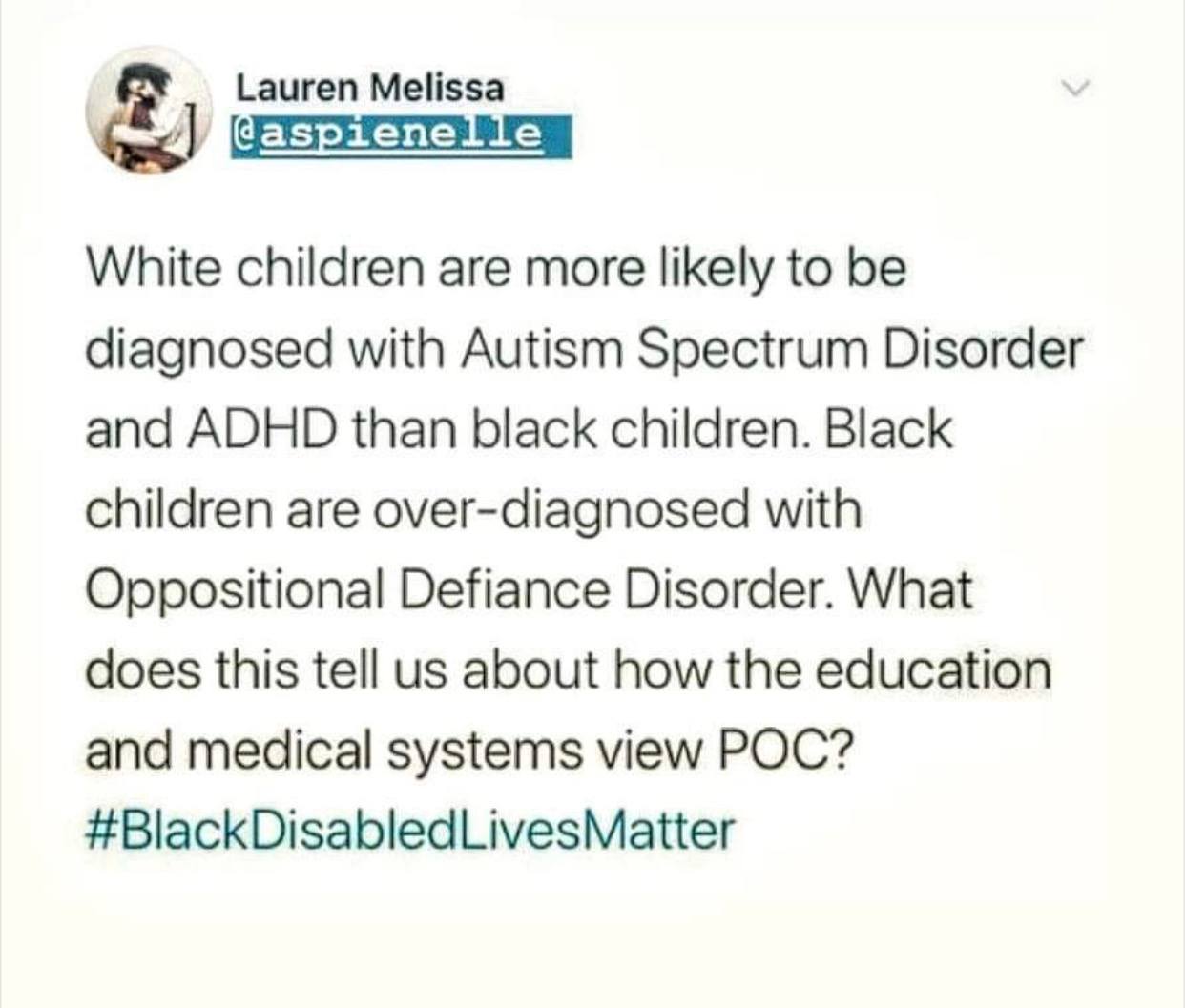
Autism does not just affect white boys. But historically, the diagnostic criteria has been focused around how it presents in white children (especially boys — but that will be the topic tomorrow). Some good news is that recently, and looking at trends over the years, this seems to be changing. For the first time in … Read more

Quick Facts about “Asperger’s” (AA23)

Remember that I had a post a few days ago about classifications of autism — i.e., “mild” vs “severe”, or “high functioning” vs “low functioning”. Well, for some people, Asperger’s goes into those types of categories. Some quick facts about Asperger’s: -It’s usually utilized as a quick shorthand for “mild autism”. -It’s sometimes even utilized … Read more

The Double Empathy Problem (AA23)

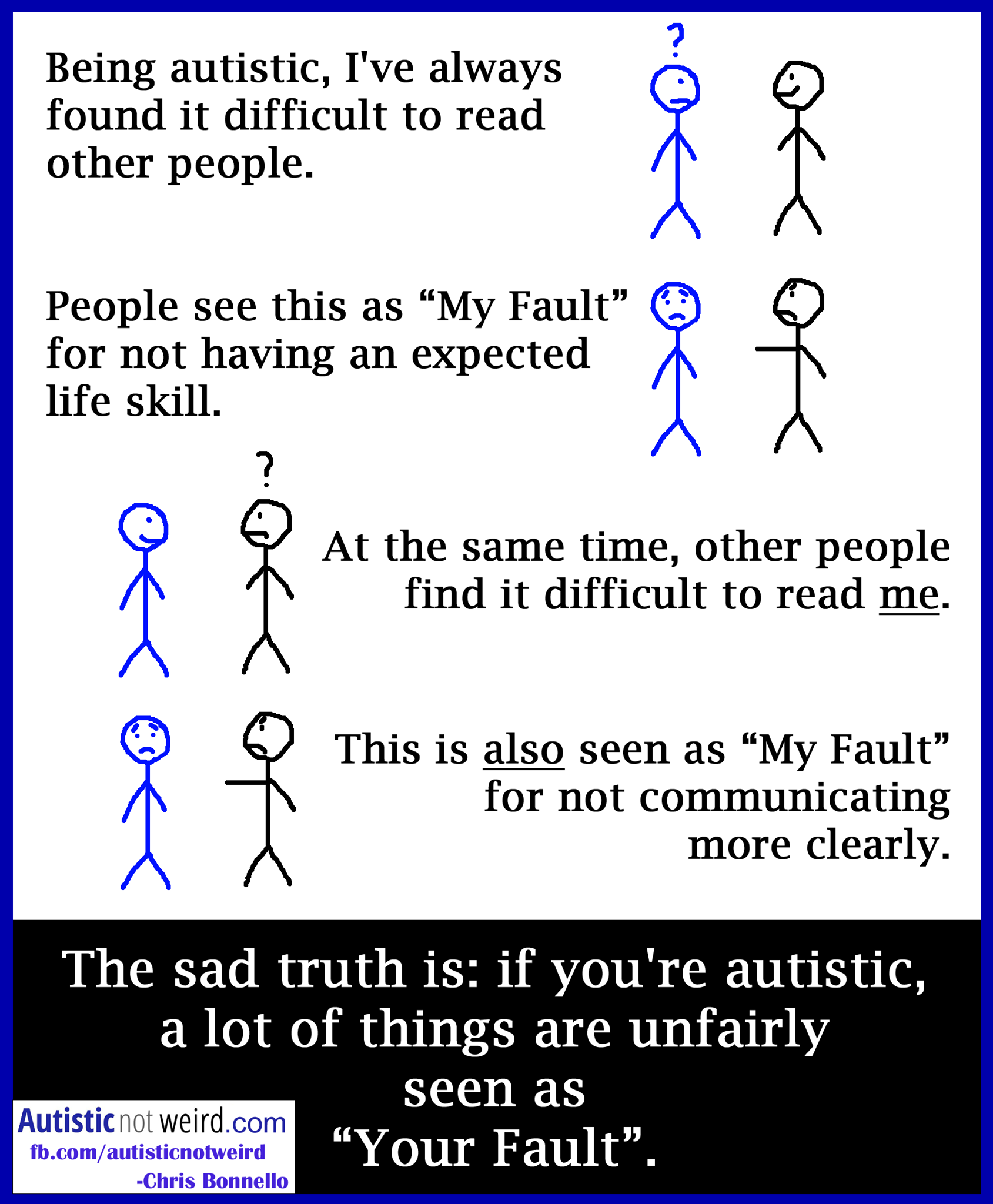
There is a common misconception that people with autism don’t show empathy, or don’t feel empathy, or cannot take on the perspective of someone else. The three categories given in the DSM-5 definition of autism, all of which are required to be met in order for a person to receive that diagnosis, cover (1) social-emotional … Read more

Functioning Labels (AA23)

You may have heard someone say, “He has severe autism” or “They have mild autism”. You might have heard “She has high-functioning autism” or “He is very low-functioning”. In response to some backlash against these terms, there has even been a newer push towards classifying autism into “level 1, 2, and 3”. And, as I … Read more

Sensory Processing, Explained (AA23)

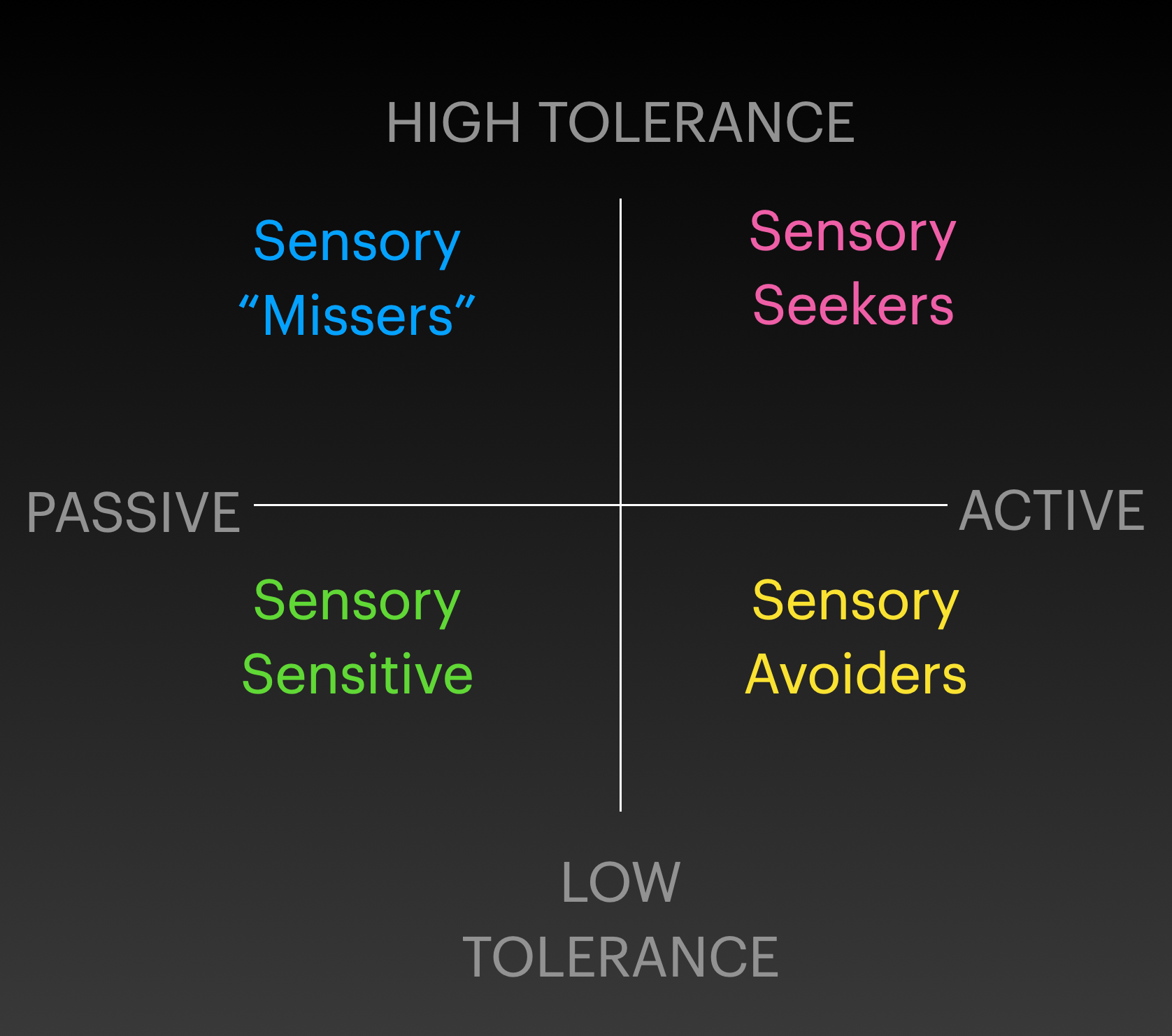
“Sensory” is one of those buzzwords these days in parenting groups, on Pinterest, and in relation to different diagnoses. I’ve seen people use it to mean pretty much everything. When I talk about sensory processing, I am not talking about kids playing with rice or shaving cream in a bin. 😊 There are a few … Read more

What about the DSM? (AA23)

“What about the DSM definition of autism?” This is the kind of question that I’m more likely to get from experts who are maybe trying to wrap their head around a neurodiversity paradigm but having trouble letting go of what they’ve been taught in schools or other institutions. The DSM is the Diagnostic and Statistic … Read more