Teaching Kids to Write who “Hate Writing”

I originally recorded this lecture for a group who work tutoring children with dyslexia and other learning difficulties. It’s based on a lot of experiences I’ve had with children getting referred to me in my occupational therapy role, with goals to improve their handwriting. But how can I, an occupational therapist, work within the bounds … Read more
Splat Painting

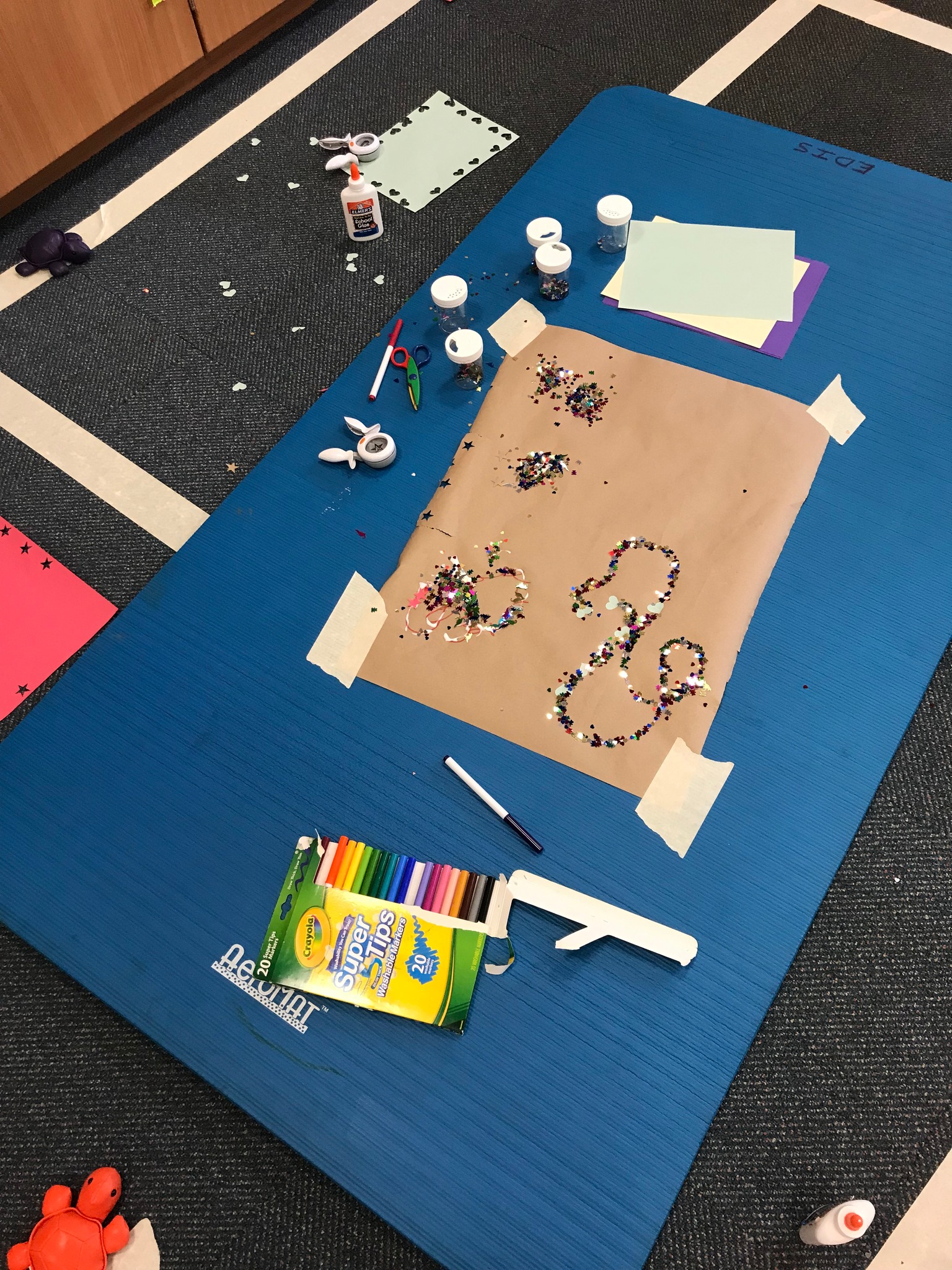
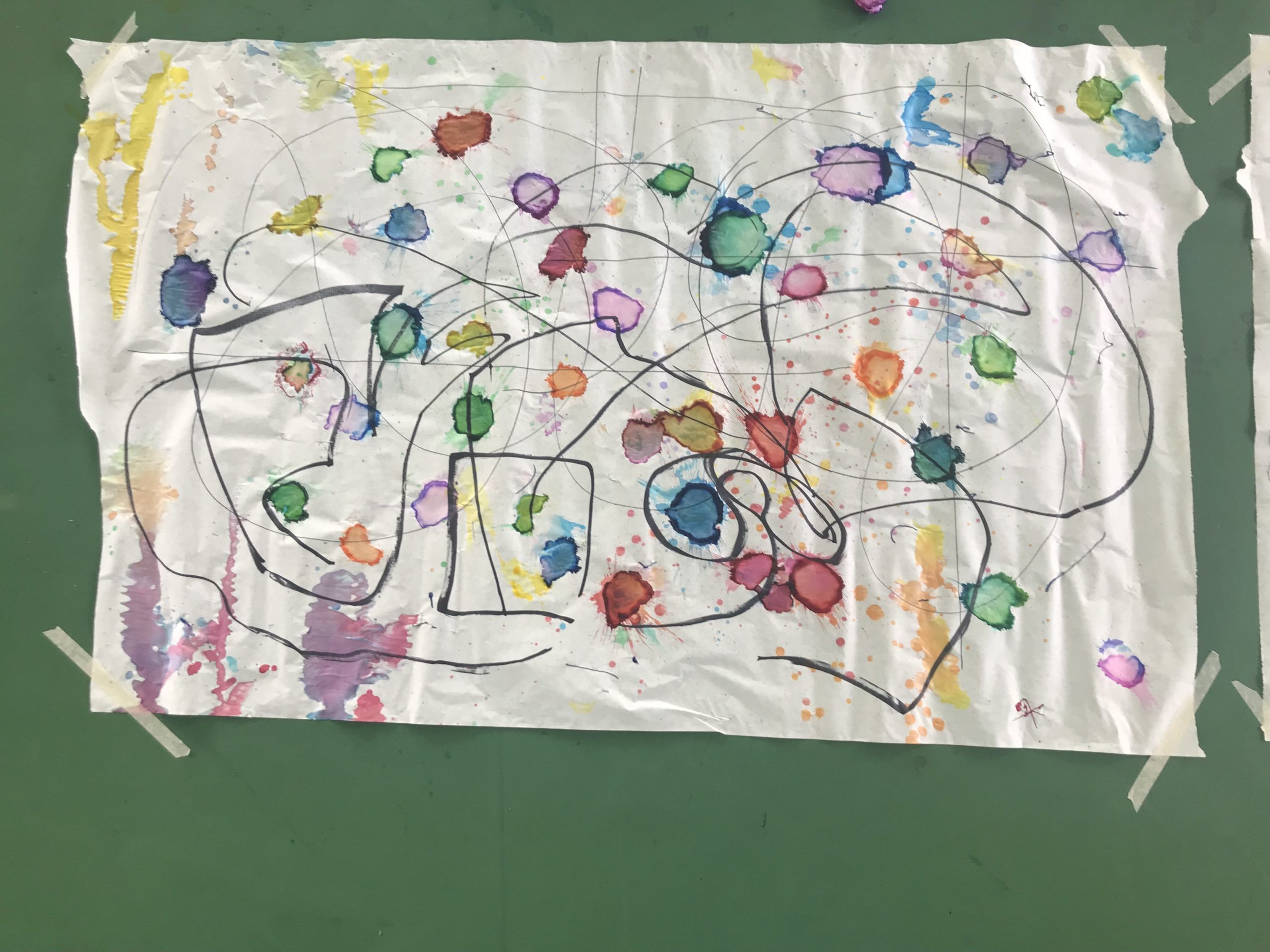
One student used a giant Sharpie and a still-giant-but-slightly-less-giant Sharpie to draw the outline on this big piece of butcher paper. An artistic, abstract, scribble. Same student plus more students helped me make watercolors in a project I’ve talked about before here: we used pliers to break open washable markers that had dried out, harvested … Read more

Homemade Bubble Wands

I was going to take a selfie showing off my homemade bubble wands and it turns out that I’m incapable of blowing bubbles, keeping my eyes open, AND not looking mean or worried. Pipe cleaners/chenille sticks make great homemade bubble wands! I’ve found that they work best of all with any kind of bubble solution … Read more

Tracing Flight Trails

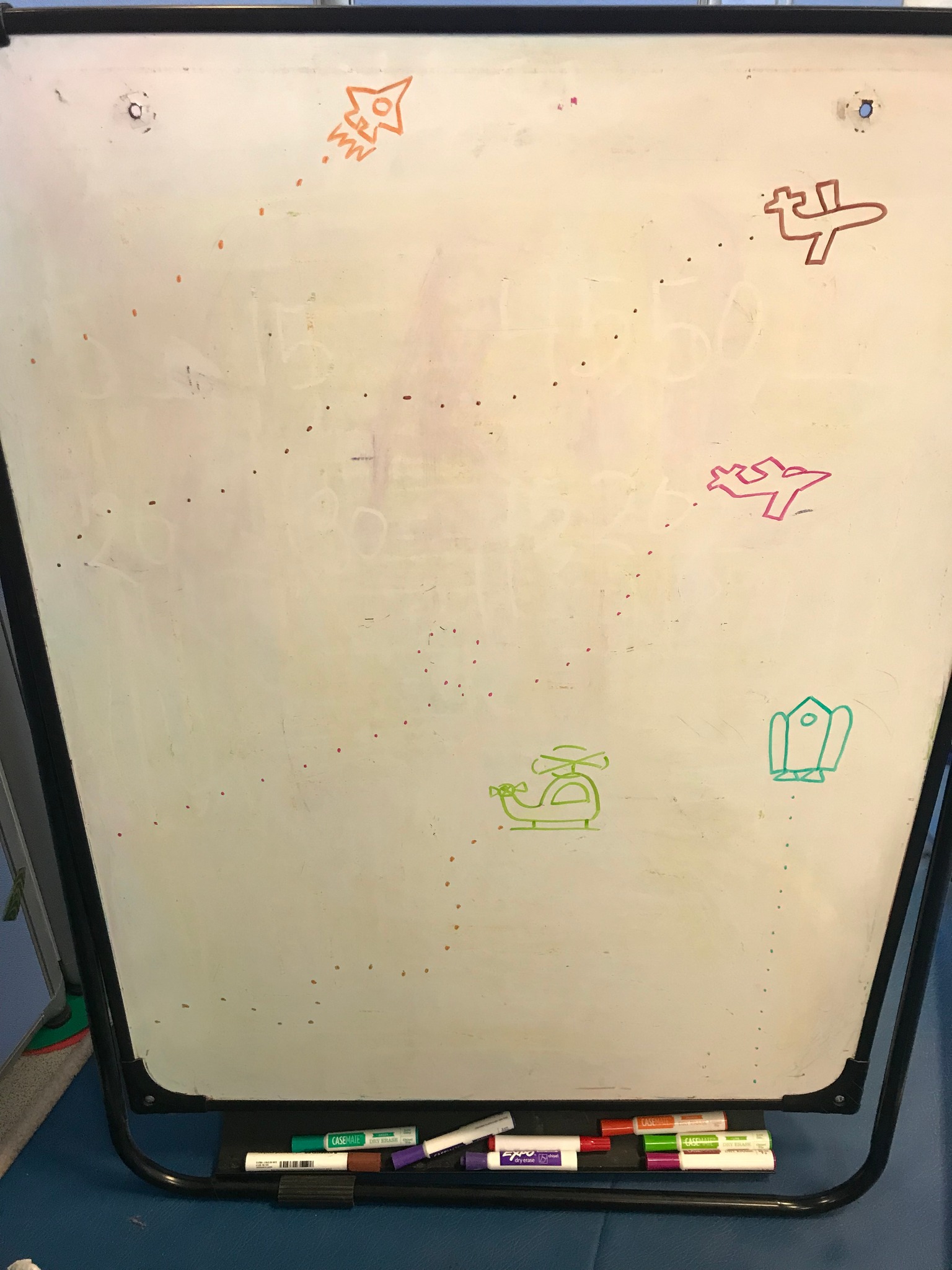
A fine motor, pre-writing activity offer in my therapy gym today: dot-to-dots to make the “flight paths” of different airplanes, rocketships, and helicopters. You can customize this whichever way matches the child’s level of drawing/tracing right now…to work on horizontal lines, vertical lines, diagonals, curves, loops, etc. All of these things are skills that children … Read more

Dino Drawings

One of my favorite tools for building a whole bunch of skills— hand strengthening, finger strengthening, hand-eye coordination, and then copying from a visual model, and occupationally meaningful writing— are these toys which I originally found in a closet and have since googled to find out are called “Zoomorphs” and, more specifically, “Dinomorphs”. They’re basically … Read more

Process and Occupation

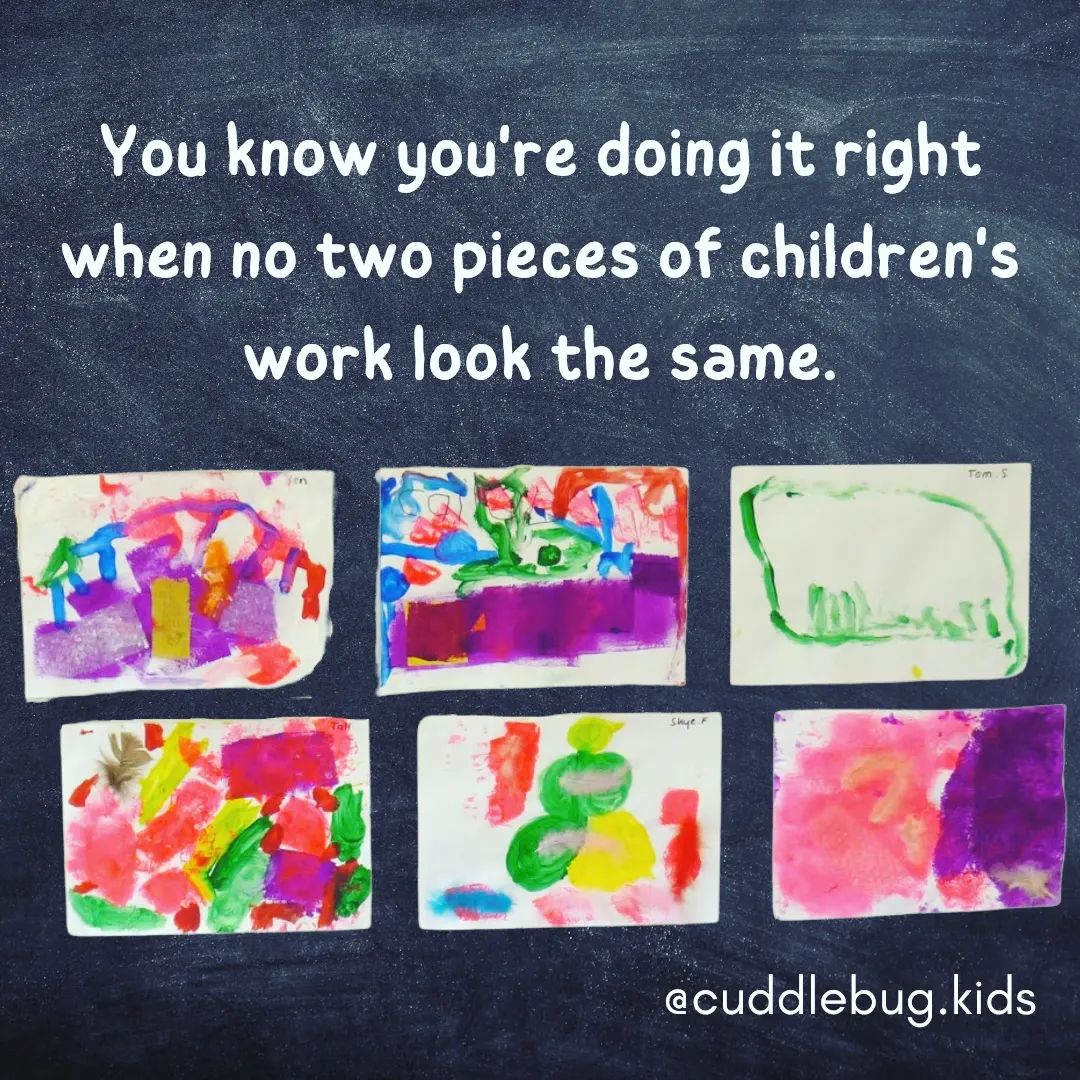
Process art, as opposed to product art, usually doesn’t produce an end result — a “product” — that looks pretty or neat or send-home-able. It might be messier, more about exploring texture or materials than making an end result. One defense of product art is often that it targets fine motor skills in a way … Read more

Beanbag Bunny Rescue

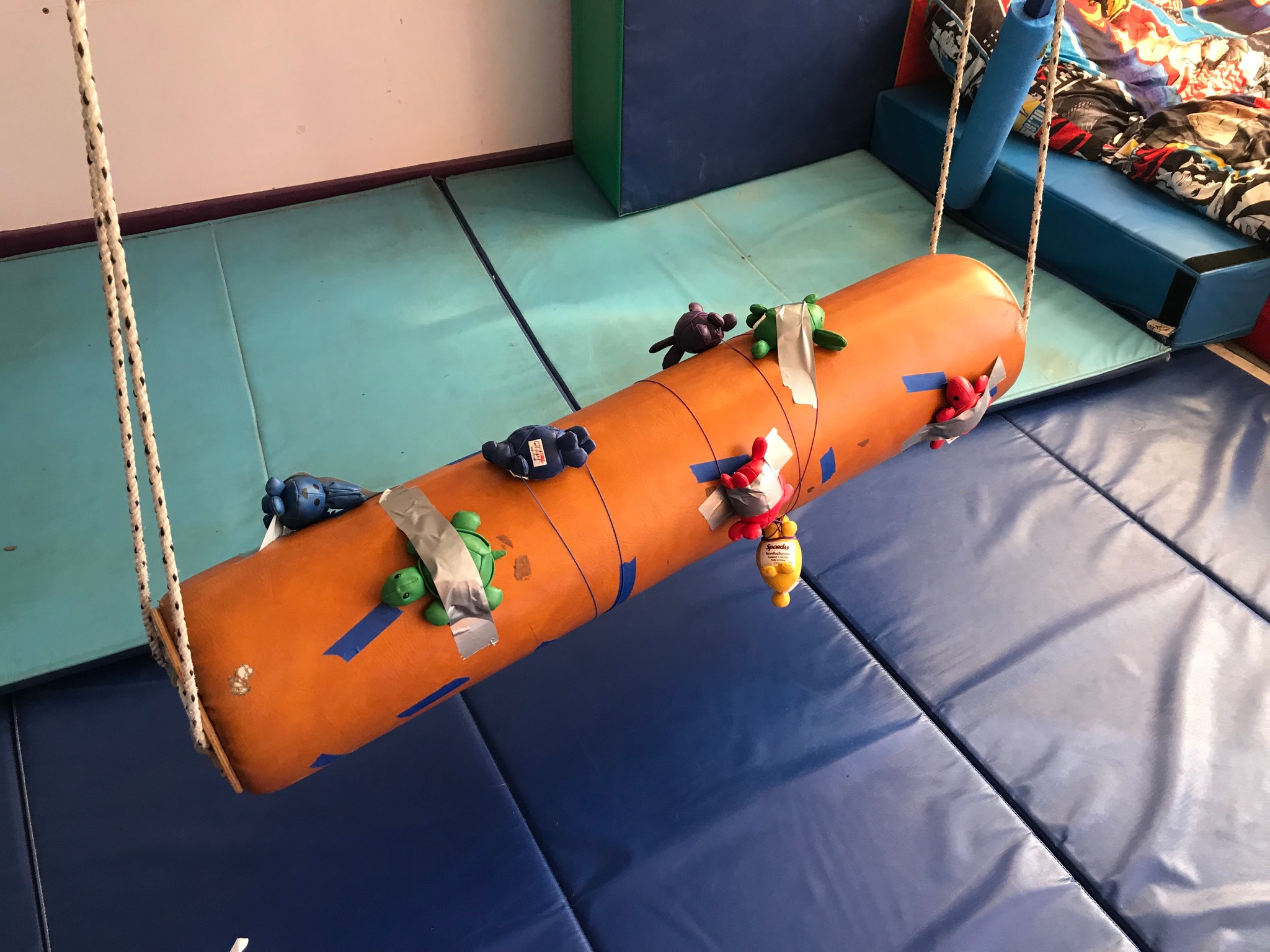
Okay, it might look like a hostage situation, but I promise that my game of “rescue the beanbag animals using scissors to cut the tape and string” was more fun than it looks visually and that no bunnies were harmed in the making of this activity 😂 Alternate caption: Sometimes I have days where I’m … Read more

Half Pencils

Here’s a quick little thought/frustration of mine: Please, please, let kindergarteners (and first graders) (and I’d even say second graders!) use half-pencils instead of full pencils. I say “let” because I keep having to write it into IEPs as an accommodation. I wish it was just the normal! Children’s hands are 4-5 inches in circumference. … Read more

ABC Cars

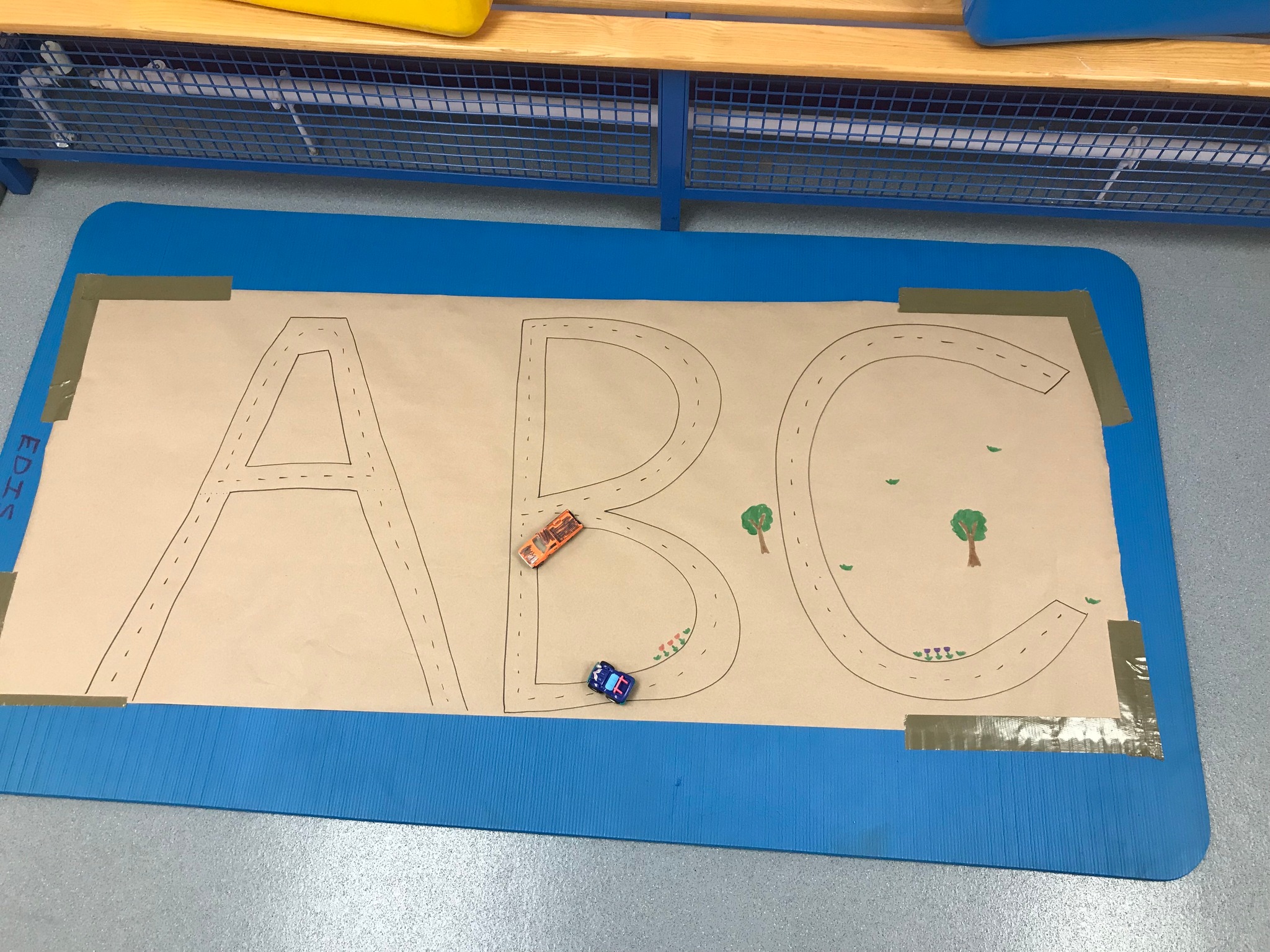
A recent little activity option from the schools: I set out this “car mat” for our littlest kids (3-4yo) to roll cars on while waiting for their turn in the therapy gym. It was mostly set up for purposes of keeping them safely occupied while waiting, but of course there’s an element of letter recognition … Read more

Process and Product

On the topic of process art vs product art. “Product” art is like— doing a craft. There’s supposed to be a set result and everybody’s is supposed to look a set way. Sometimes I hear arguments for the positive side of product art in terms of teaching children specific fine motor skills; i.e., if everybody … Read more