In Pursuit of Diagnosis

If you are pursuing diagnosis for your neurodivergent child, it’s okay to take your neuro-affirming lens back “off” in order to talk to the doctor about your child. What I mean is that you are not a bad parent or you don’t love your child less if you play the system by its own rules. … Read more

Six Ways to Play with Vacuums

At my lecture last Friday, during the Q&A session, somebody asked me if I had any ideas for connecting meaningfully and playfully in therapy with a child whose special interest was vacuums, and who spent most of the session searching the clinic in hopes of finding a vacuum. I gave a few ideas right off … Read more

Autism Acceptance Month 2023

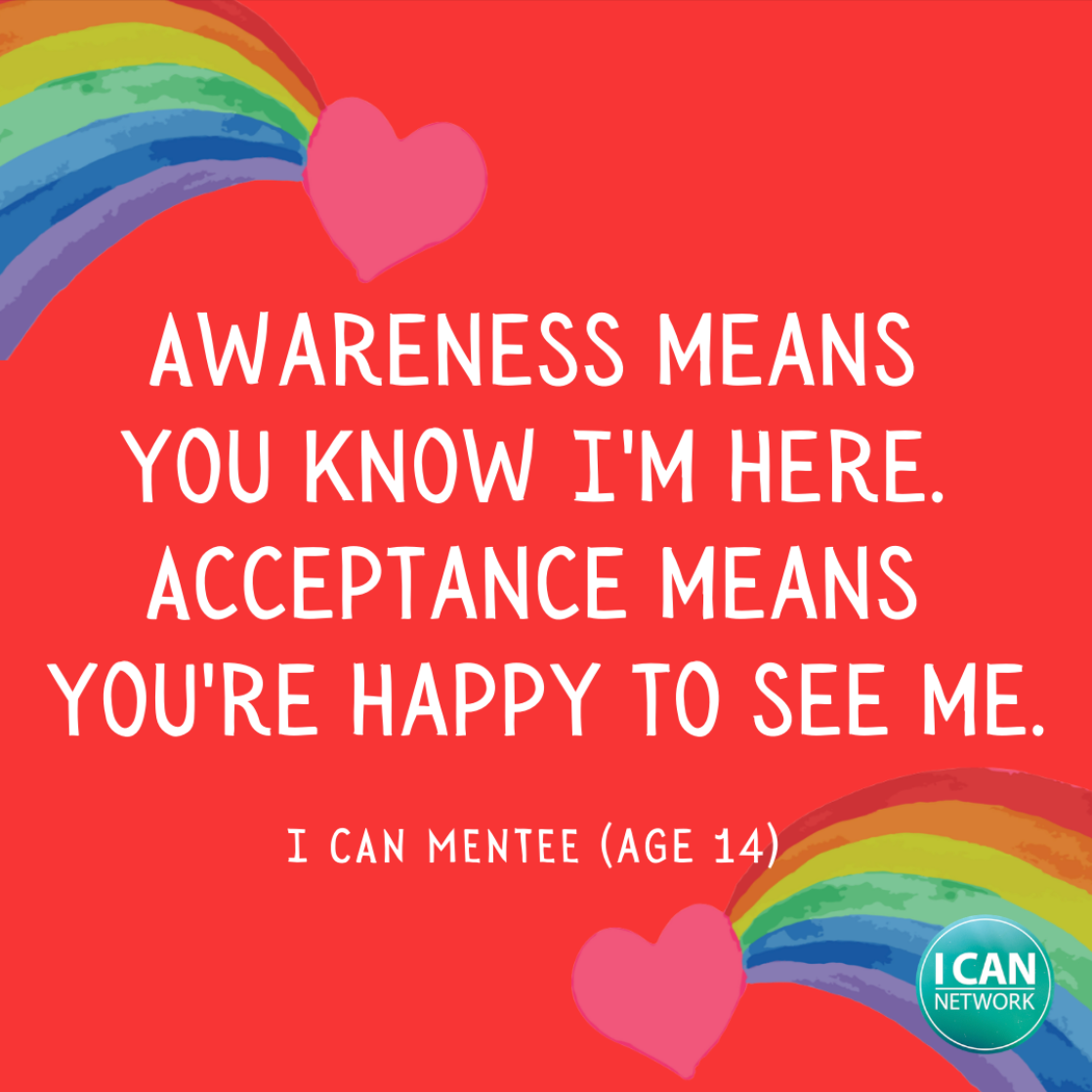
I don’t think I could say it better or simpler than the I CAN Network said it here. That’s why I’ve posted all month about Autism Acceptance instead of just awareness. That’s what the difference is for me. Do we need more awareness and (accurate) education? To inform and remove stereotypes? Definitely, 100%, absolutely yes. … Read more

Self-Diagnosis (AA23)

I mentioned in an earlier post this month how a lot of adults will get diagnosed with autism later in life, especially if they have a child who is diagnosed as a child. They’ll recognize traits in their kid that they shared when they were a kid. I remember reading a book when I was … Read more

Fluctuating Skills (AA23)

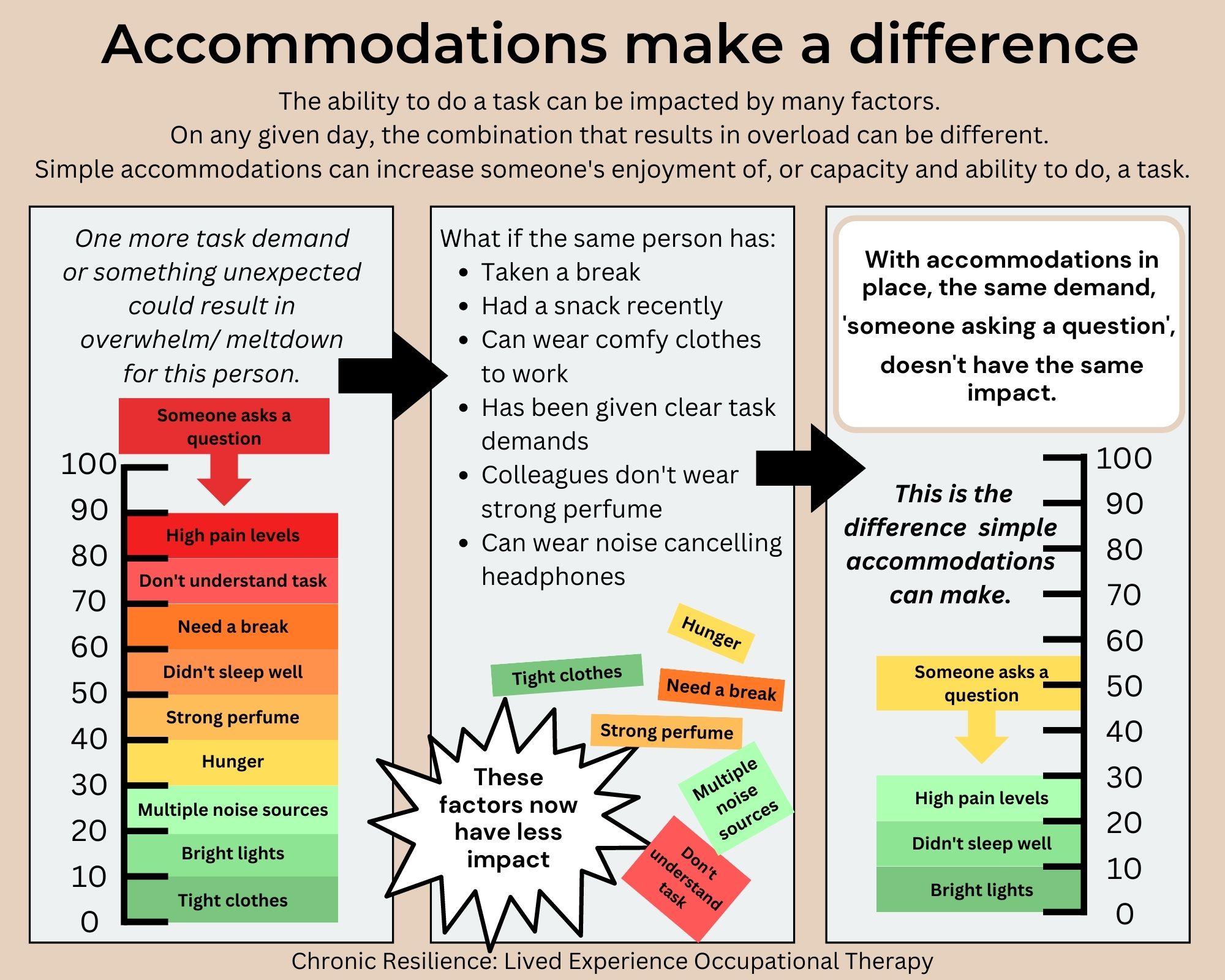
Many neurodivergent people (not just Autistic people, but including Autistic people) have skills that fluctuate from day to day. This comes up so often in IEP meetings that I’m sitting in. People will say of the child in their class, or of the child that they’re the parent of: “I know he knows how to … Read more

When Should I Tell…? (AA23)

I get long-winded. You’ve been reading my posts this month; you know this. 😉 This one, shockingly, doesn’t require me to be long-winded at all. When should parents tell their kids they’re Autistic? -Is the parent able to speak about it with an emphasis on the neutral and positive? (i.e., have they had time to … Read more

Special Interests (AA23)

If I say “imagine a historical figure who was known for struggling with socializing, possibly even considered a ‘failure’ by mainstream criteria such as schooling, yet was intensely successful in one particular area”, you might think of various great inventors, writers, scientists, mathematicians… While it’s dangerous to retroactively try to diagnose people with autism, especially … Read more

Because Cats Aren’t Dogs [AA23]

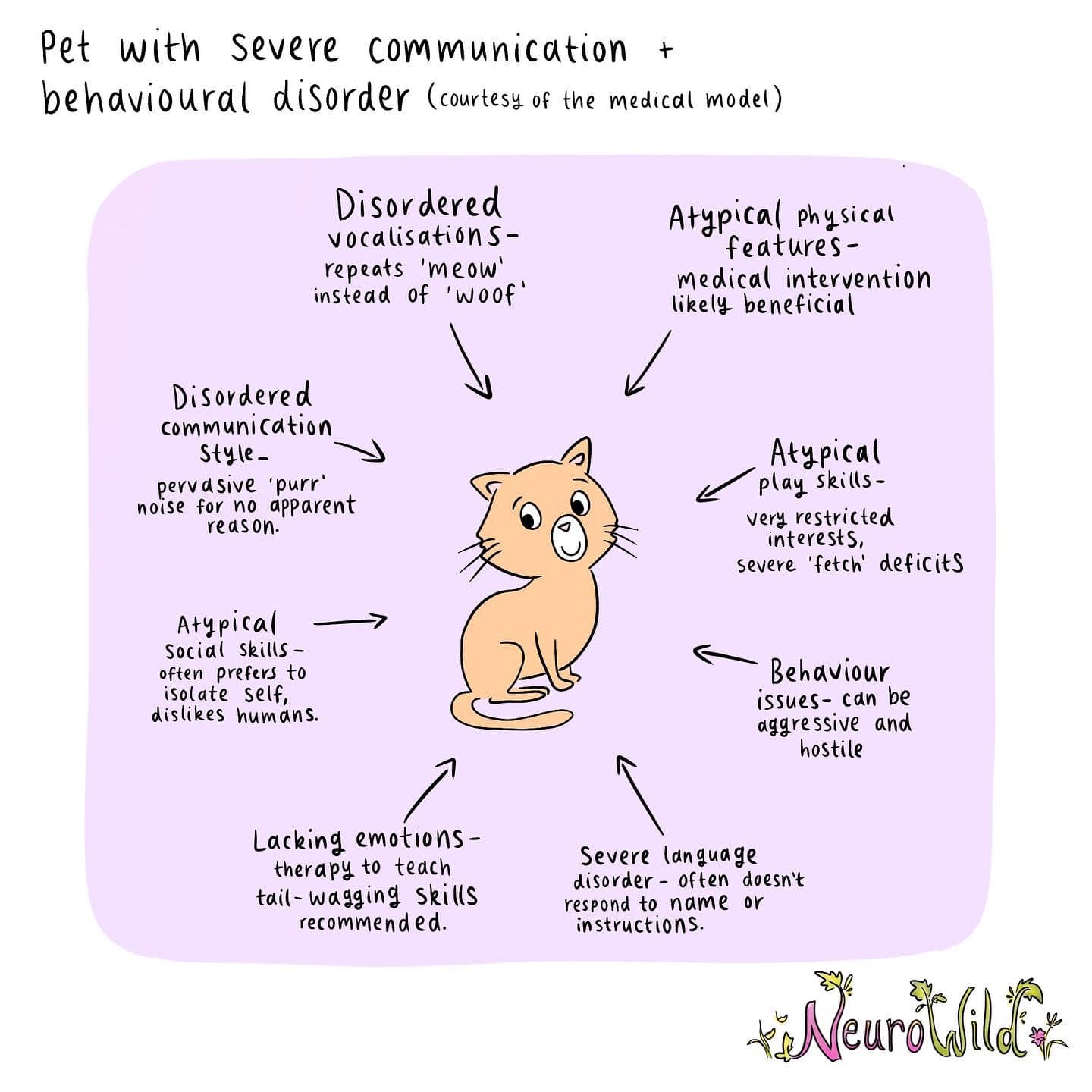
This post by NeuroWild does an incredibly concise job of showing the harm that the “medical model” can perpetuate in describing autism — specifically, in the way that it describes Autistic people solely by comparing them to non-Autistic people and then calling those things deficits or dysfunction, instead of by recognising and describing the unique … Read more

Co-Occurring Conditions (AA23)

Autism and ADHD. Autism and OCD. Autism and anxiety. Autism and Tourette’s. Autism and trauma. Autism (as a diagnosis) very commonly accompanies other diagnoses as well, which typically fall into different categories: some of them are mental health-related, some of them are physical (especially gut/digestion, vision/hearing, joint, or coordination related), and some of them are … Read more

Gender & Autism (AA23)

Continuing discussion of Autistic intersectionality… In studies examining the relationship between two things, it’s important to understand the directionality of the relationship. Just because all A are B, doesn’t mean that all B are A. That being said, there *is* actually a correlation in both directions when it comes to autism and gender diversity: people … Read more